
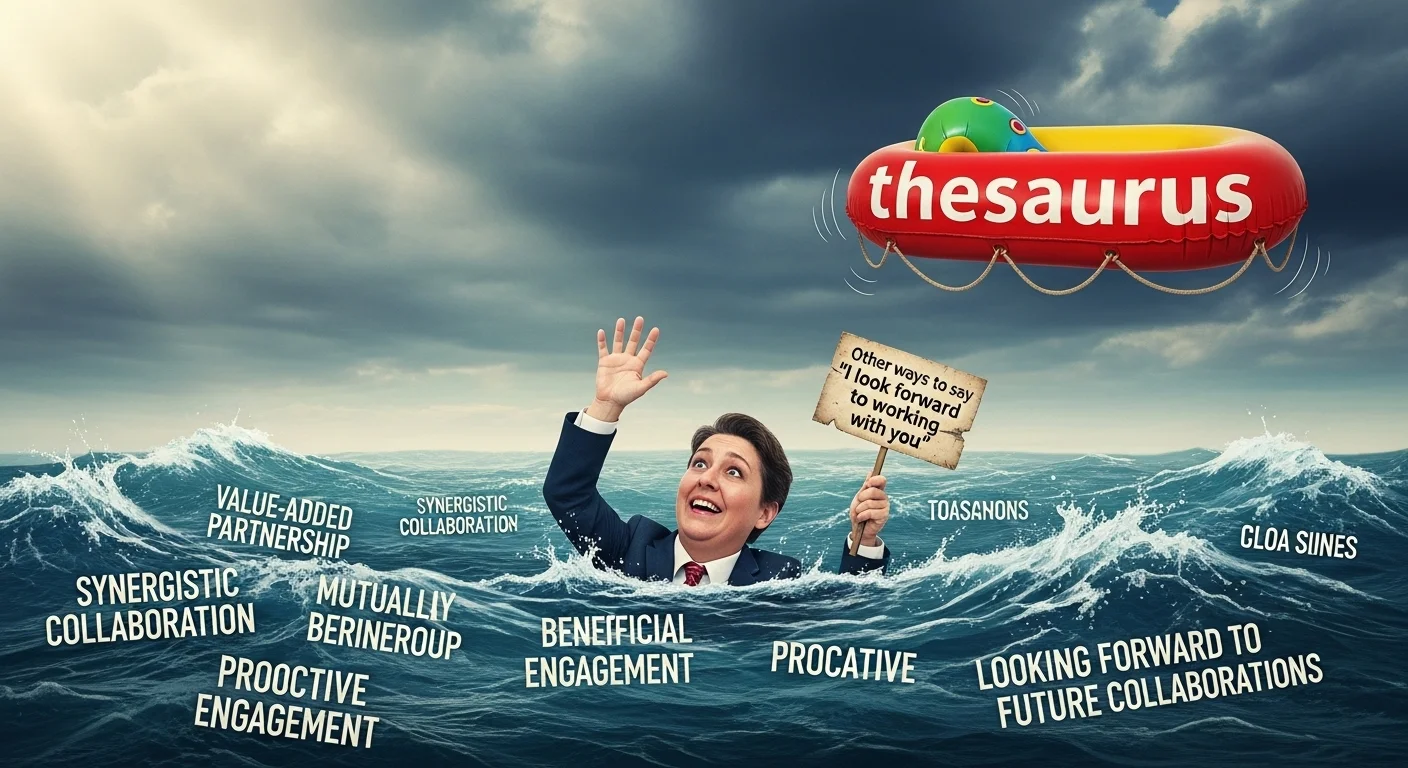
Other Ways to Say I Look Forward to Working with You.The phrase “I look forward to working with you” is widely used in professional emails, meetings, and networking. It communicates enthusiasm, respect, and readiness to collaborate. Whether it’s a new client, colleague, or partner, this phrase sets a positive tone and builds rapport.
- What Does “I Look Forward to Working with You” Mean?
- When to Use “I Look Forward to Working with You”
- Spoken English
- Business English
- Emails / Messages
- Social Media
- Academic Writing
- Professional Meetings
- Is “I Look Forward to Working with You” Polite or Professional?
- Pros & Cons of Using “I Look Forward to Working with You”
- Quick Alternatives List
- Detailed Alternatives Explained
- Excited to Collaborate with You
- Can’t Wait to Work with You
- I’m Eager to Get Started
- Looking Forward to Our Collaboration
- I Anticipate Working Together
- I’m Thrilled to Be Part of This Project
- Looking Forward to Partnering with You
- Excited to Begin This Project with You
- I’m Eager to Start This Journey with You
- Looking Forward to Achieving Great Results Together
- Mini Dialogue Examples
- Formal Dialogue
- Informal Dialogue
- Business Email Example
- Common Mistakes to Avoid
- Cultural & Tone Tips
- Comparison Table
- Frequently Asked Questions
- Is “I look forward to working with you” formal?
- Can I use it in emails?
- What is the most friendly alternative?
- What is the most formal alternative?
- Should beginners use this phrase?
- Can it be used in client emails?
- Conclusion
However, saying it repeatedly can make emails sound repetitive or robotic. Using alternatives can convey the same excitement and professionalism in a more natural or personalized way. In some cases, a warmer or more energetic phrase can strengthen relationships, while a formal variant is ideal for official communications.
For example:
Formal: I look forward to working with you on this project.
Friendly: Excited to collaborate with you soon!
Both express eagerness, but the tone changes depending on the context.
What Does “I Look Forward to Working with You” Mean?
Student-Friendly Definition:
It means you are excited or ready to collaborate with someone.
Grammar Form:
-
Verb phrase / Polite formal expression
Synonyms / Similar Tone:
-
I’m eager to collaborate
-
Excited to work with you
-
Can’t wait to start
Opposite Tone Expressions:
-
I hope this doesn’t take too long
-
I’m not sure about this collaboration
Example Sentences:
-
I look forward to working with you on this project.
-
We look forward to working with your team next month.
When to Use “I Look Forward to Working with You”
Spoken English
✅ Often in interviews, meetings, or networking calls
Business English
✅ Standard in emails and client communication
Emails / Messages
✅ Perfect for formal professional emails
Social Media
⚠ Rarely used; sounds formal
Academic Writing
✅ Used in collaboration announcements or official acknowledgments
Professional Meetings
✅ Suitable when discussing partnerships or upcoming projects
Is “I Look Forward to Working with You” Polite or Professional?
Polite: Yes
Professional: Very high
Formal: High
Friendly: Medium
Tone: Positive, respectful, collaborative
Etiquette Tip:
-
Use in professional emails, proposals, and introductions.
-
Avoid overuse; tailor the tone for the recipient and situation.
Pros & Cons of Using “I Look Forward to Working with You”
✔ Pros:
-
Professional and courteous
-
Shows enthusiasm and readiness
-
Universally understood in business contexts
-
Builds rapport with clients and colleagues
✘ Cons:
-
Can feel formulaic if repeated too often
-
Less expressive than casual alternatives
-
Doesn’t convey personal warmth in informal settings
Quick Alternatives List
👉 Excited to collaborate with you
👉 Can’t wait to work with you
👉 I’m eager to get started
👉 Looking forward to our collaboration
👉 I anticipate working together
👉 I’m thrilled to be part of this project
👉 I look forward to joining your team
👉 Eager to start our work together
👉 I’m excited about our partnership
👉 Excited to begin this project with you
👉 Looking forward to partnering with you
👉 Can’t wait to contribute to this initiative
👉 I look forward to cooperating on this task
👉 I’m looking forward to our upcoming project
👉 Happy to work with you soon
👉 Looking forward to collaborating
👉 Excited to engage on this project
👉 I anticipate a productive collaboration
👉 I’m eager to start this journey with you
👉 Looking forward to achieving great results together
Detailed Alternatives Explained
Excited to Collaborate with You
Meaning: I am enthusiastic about working together.
Explanation: Friendly, approachable, and energetic.
Grammar Note: Informal-professional expression
Example Sentence: Excited to collaborate with you on the marketing campaign.
Best Use: Team emails, informal professional settings
Worst Use: Legal contracts or highly formal letters
Tone: Friendly & Motivational
Level: Intermediate
Similarity Score: 8/10
Replaceability Tip: Use for approachable emails or internal communication.
Can’t Wait to Work with You
Meaning: I am eager to start collaborating.
Explanation: Informal, energetic, and motivational
Grammar Note: Contraction + informal tone
Example Sentence: Can’t wait to work with you on this project!
Best Use: Friendly emails or chat
Worst Use: Highly formal business letters
Tone: Friendly / Excited
Level: Beginner
Similarity Score: 7/10
Replaceability Tip: Use with colleagues or partners you know well.
I’m Eager to Get Started
Meaning: I am ready and enthusiastic to start working
Explanation: Professional yet warm
Grammar Note: Full sentence
Example Sentence: I’m eager to get started on the new client campaign.
Best Use: Business emails, team introductions
Worst Use: Casual chat among friends
Tone: Professional & Motivational
Level: Intermediate
Similarity Score: 8/10
Replaceability Tip: Suitable when highlighting readiness.
Looking Forward to Our Collaboration
Meaning: I am anticipating a positive working relationship
Explanation: Formal and polished
Grammar Note: Verb phrase
Example Sentence: Looking forward to our collaboration on this project.
Best Use: Professional emails, proposals
Worst Use: Casual text messages
Tone: Professional / Polite
Level: Advanced
Similarity Score: 9/10
Replaceability Tip: Safe, formal, and versatile.
I Anticipate Working Together
Meaning: I expect a productive collaboration
Explanation: Formal and confident
Grammar Note: Verb phrase
Example Sentence: I anticipate working together to meet the project goals.
Best Use: Official business letters or proposals
Worst Use: Informal chat
Tone: Formal & Professional
Level: Advanced
Similarity Score: 8/10
Replaceability Tip: Use when writing formal communication or proposals.
I’m Thrilled to Be Part of This Project
Meaning: I feel excited to participate
Explanation: Energetic, motivational, and friendly
Grammar Note: Full sentence
Example Sentence: I’m thrilled to be part of this project with your team.
Best Use: Team emails, motivational speeches
Worst Use: Very formal corporate contracts
Tone: Friendly & Positive
Level: Intermediate
Similarity Score: 8/10
Replaceability Tip: Use to add emotional warmth.
Looking Forward to Partnering with You
Meaning: Excited about a professional partnership
Explanation: Polished and professional; ideal for clients
Grammar Note: Verb phrase
Example Sentence: Looking forward to partnering with you on this initiative.
Best Use: Client emails, business proposals
Worst Use: Casual messages
Tone: Professional
Level: Advanced
Similarity Score: 9/10
Replaceability Tip: Use in B2B or client communication.
Excited to Begin This Project with You
Meaning: Energetic and ready to collaborate
Explanation: Enthusiastic and motivational
Grammar Note: Full sentence
Example Sentence: Excited to begin this project with you and the team.
Best Use: Internal team communication
Worst Use: Formal contracts
Tone: Friendly & Motivational
Level: Intermediate
Similarity Score: 8/10
Replaceability Tip: Use for team-building emails.
I’m Eager to Start This Journey with You
Meaning: Looking forward to working collaboratively
Explanation: Slightly poetic, motivational
Grammar Note: Full sentence
Example Sentence: I’m eager to start this journey with you on the new campaign.
Best Use: Creative industries, team emails
Worst Use: Legal or highly formal communication
Tone: Friendly / Motivational
Level: Advanced
Similarity Score: 8/10
Replaceability Tip: Good for inspirational messaging.
Looking Forward to Achieving Great Results Together
Meaning: Excited for successful collaboration
Explanation: Formal, positive, motivational
Grammar Note: Verb phrase
Example Sentence: Looking forward to achieving great results together this quarter.
Best Use: Client emails, leadership communication
Worst Use: Casual social chat
Tone: Professional / Motivational
Level: Advanced
Similarity Score: 9/10
Replaceability Tip: Use when focusing on results.
Mini Dialogue Examples
Formal Dialogue
Manager: We’ll start the new campaign next week.
Employee: Absolutely.
Manager: I look forward to working with you on this.
Informal Dialogue
Friend: I’ll join your project team.
You: Excited to collaborate with you!
Business Email Example
Subject: Upcoming Project Collaboration
Dear Ms. Ahmed,
I am thrilled to be part of this project and look forward to working with you.
Best regards,
Ali
Common Mistakes to Avoid
-
Using “look forward” in casual texts without energy
-
Overusing the phrase in consecutive emails
-
Mixing overly formal alternatives with casual tone
-
Forgetting to specify the project or collaboration
-
Using without context, which can feel generic
Cultural & Tone Tips
-
In US English, “I look forward to working with you” is standard and professional.
-
In UK English, alternatives like “looking forward to our collaboration” sound polished.
-
Informal alternatives are better for startups or creative teams.
-
Formal alternatives work best in client emails and corporate communications.
Comparison Table
| Phrase | Tone | Best Context | Professional Level | Example |
|---|---|---|---|---|
| I look forward to working with you | Polite | Email, Client | High | I look forward to working with you on this project |
| Excited to collaborate with you | Friendly | Team email | Medium | Excited to collaborate with you on the campaign |
| Looking forward to our collaboration | Professional | Corporate | High | Looking forward to our collaboration |
| I’m eager to get started | Motivational | Team kickoff | Medium | I’m eager to get started on this initiative |
| Looking forward to partnering with you | Professional | B2B emails | High | Looking forward to partnering with you |
Frequently Asked Questions
Is “I look forward to working with you” formal?
Yes, it is polite, professional, and widely used in business communication.
Can I use it in emails?
Absolutely, it is ideal for professional emails.
What is the most friendly alternative?
“Excited to collaborate with you.”
What is the most formal alternative?
“Looking forward to our collaboration.”
Should beginners use this phrase?
Yes, it is safe and widely understood.
Can it be used in client emails?
Yes, it is professional and courteous.
Conclusion
Using different ways to say I look forward to working with you helps you express professionalism, warmth, and motivation. Word variation makes emails and conversations more engaging and personal.