
Finding other ways to say best wishes in an email can help improve your professional communication and make your messages sound more polished. While best wishes remains one of the most common email closings, using the same sign-off repeatedly can make emails feel repetitive. Learning other ways to say best wishes in an email allows you to vary your tone while maintaining professionalism.
- What Does "Best Wishes" Mean?
- Example
- Why Use Alternatives to Best Wishes?
- Avoid Repetition
- Match the Situation
- Strengthen Relationships
- Improve Professionalism
- Create a Better Impression
- Professional Alternatives
- 1. Kind Regards
- 2. Best Regards
- 3. Warm Regards
- 4. Regards
- 5. Sincerely
- 6. Respectfully
- 7. Respectfully Yours
- 8. With Appreciation
- 9. Appreciatively
- 10. Thank You
- 11. Many Thanks
- 12. With Gratitude
- 13. Gratefully
- 14. Cordially
- 15. With Best Regards
- 16. All the Best
- 17. Warm Wishes
- 18. Take Care
- 19. Stay Well
- 20. Wishing You Well
- 21. Have a Great Day
- 22. Have a Wonderful Week
- 23. Enjoy Your Weekend
- 24. Best of Luck
- 25. Wishing You Continued Success
- 26. Wishing You All the Best
- 27. Cheers
- 28. Looking Forward to Hearing From You
- 29. Talk Soon
- 30. Until Next Time
- 31. Yours Sincerely
- 32. Yours Faithfully
- 33. Faithfully Yours
- 34. Respectfully Yours
- 35. With Kindest Regards
- 36. With Highest Regards
- 37. Yours Respectfully
- 38. With Deep Appreciation
- 39. With Warmest Regards
- 40. Yours Truly
- 41. Thanks Again
- 42. Looking Forward to Connecting
- 43. Looking Forward to Working Together
- 44. Wishing You Success
- 45. Have a Productive Week
- Client Emails
- Emails to Managers
- Emails to Coworkers
- Networking Emails
- Customer Service Emails
- Example 1: Professional Email
- Example 2: Client Email
- Example 3: Networking Email
- Example 4: Thank-You Email
- Being Too Casual
- Being Excessively Formal
- Using the Same Sign-Off Every Time
- Ignoring Company Culture
- Most Professional
- Most Friendly
- Most Formal
- Is Best Wishes professional?
- What is more professional than Best Wishes?
- What is the safest email closing?
- What is the most formal sign-off?
- What should I use when emailing a client?
- What is a friendly alternative?
- Can I use Cheers in business emails?
Whether you’re writing to a client, colleague, manager, customer, recruiter, professor, or business partner, choosing the right closing statement can leave a positive impression. Many professionals search for other ways to say best wishes in an email because they want alternatives that sound warmer,best wishes in an email. more formal, more modern, or better suited to a particular audience.
A strong email ending does more than simply conclude your message. It reinforces professionalism, demonstrates courtesy, and helps maintain positive relationships. By understanding other ways to say best wishes in an email, you can tailor your communication to fit different situations while sounding confident and respectful.
In this guide, you’ll discover more than 45 other ways to say best wishes in an email, complete with examples, usage tips, professional recommendations,best wishes in an email. and email templates.
What Does “Best Wishes” Mean?
The phrase best wishes is used to express goodwill, best wishes in an email.respect, and positive intentions toward the recipient.
Example
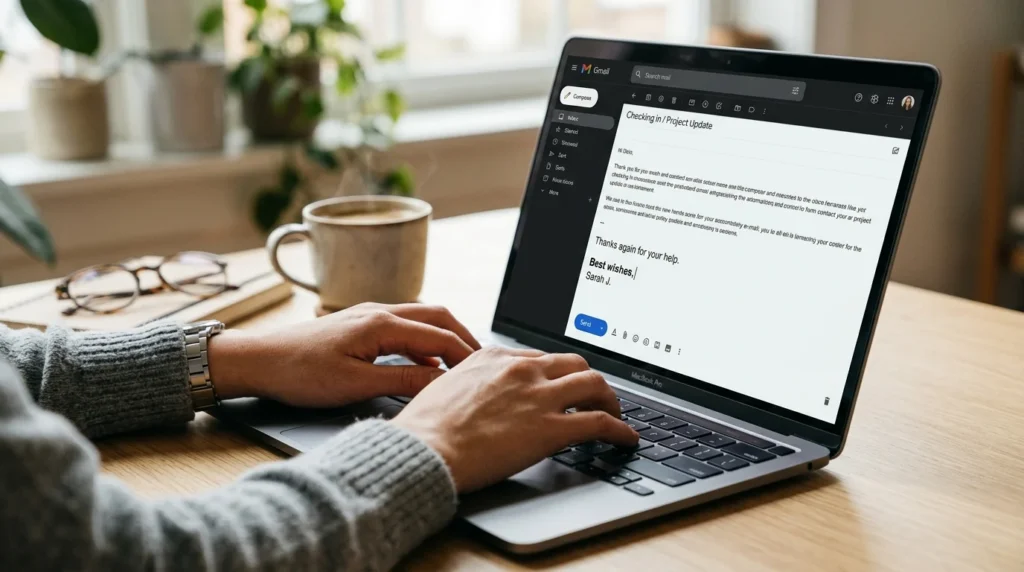
Best wishes,
John Smith
The sender is communicating friendliness and professionalism while ending the message on a positive note.
Because it works in many situations, people often rely heavily on it. However, learning other ways to say best wishes in an email can make your communication feel more personalized.
Why Use Alternatives to Best Wishes?
Avoid Repetition
Using the same email closing repeatedly can make communication feel robotic.
Match the Situation
Different emails require different levels of formality.
Strengthen Relationships
Personalized closings often feel more genuine.
Improve Professionalism
Some alternatives are more suitable for business communication.
Create a Better Impression
A thoughtful sign-off can leave a lasting positive impact.
45 Other Ways to Say Best Wishes in an Email
Professional Alternatives
1. Kind Regards
One of the most professional alternatives.
Example:
Kind regards,
Sarah
2. Best Regards
A highly popular business sign-off.
Example:
Best regards,
Michael
3. Warm Regards
Friendly yet professional.
Example:
Warm regards,
Emma
4. Regards
Simple and professional.
Example:
Regards,
David
5. Sincerely
Ideal for formal correspondence.
Example:
Sincerely,
Jennifer
6. Respectfully
7. Respectfully Yours
8. With Appreciation
9. Appreciatively
10. Thank You
11. Many Thanks
12. With Gratitude
13. Gratefully
14. Cordially
15. With Best Regards
Friendly Alternatives
16. All the Best
Example:
All the best,
Mark
17. Warm Wishes
18. Take Care
19. Stay Well
20. Wishing You Well
21. Have a Great Day
22. Have a Wonderful Week
23. Enjoy Your Weekend
24. Best of Luck
25. Wishing You Continued Success
26. Wishing You All the Best
27. Cheers
28. Looking Forward to Hearing From You
29. Talk Soon
30. Until Next Time
Formal Alternatives
31. Yours Sincerely
32. Yours Faithfully
33. Faithfully Yours
34. Respectfully Yours
35. With Kindest Regards
36. With Highest Regards
37. Yours Respectfully
38. With Deep Appreciation
39. With Warmest Regards
40. Yours Truly
Modern Business Alternatives
41. Thanks Again
42. Looking Forward to Connecting
43. Looking Forward to Working Together
44. Wishing You Success
45. Have a Productive Week
Best Alternatives by Situation
Client Emails
Best choices:
- Kind Regards
- Best Regards
- Warm Regards
- With Appreciation
- Thank You
Emails to Managers
Best choices:
- Respectfully
- Sincerely
- Kind Regards
- Best Regards
- Appreciatively
Emails to Coworkers
Best choices:
- Regards
- Warm Regards
- All the Best
- Thanks Again
- Take Care
Networking Emails
Best choices:
- Looking Forward to Connecting
- Best Regards
- Warm Regards
- All the Best
- Wishing You Success
Customer Service Emails
Best choices:
- Kind Regards
- Thank You
- With Appreciation
- Best Regards
- Sincerely
Email Examples
Example 1: Professional Email
Subject: Project Update
Hello Sarah,
Thank you for your feedback regarding the project.
The requested changes have been completed, and the updated version has been attached for your review.
Kind regards,
Michael
Example 2: Client Email
Subject: Proposal Submission
Dear Mr. Johnson,
Thank you for your time today.
Please find the attached proposal. I look forward to discussing it further and answering any questions you may have.
Best regards,
Emma
Example 3: Networking Email
Hello David,
It was great speaking with you during the conference.
I look forward to staying connected and exploring future opportunities for collaboration.
Warm regards,
James
Example 4: Thank-You Email
Dear Professor Smith,
Thank you for taking the time to meet with me.
Your guidance and insights were extremely valuable.
With appreciation,
Sarah
Common Mistakes to Avoid
Being Too Casual
Avoid overly casual closings in formal business communication.
Examples:
- Later
- See ya
- Bye
Being Excessively Formal
Reserve highly formal closings for appropriate situations.
Examples:
- Yours Faithfully
- Faithfully Yours
Using the Same Sign-Off Every Time
Varying your closing makes emails feel more natural.
Ignoring Company Culture
Different workplaces have different communication styles.
Best Email Closings Ranked
Most Professional
- Kind Regards
- Best Regards
- Sincerely
- Warm Regards
- Respectfully
Most Friendly
- All the Best
- Warm Wishes
- Take Care
- Stay Well
- Cheers
Most Formal
- Yours Sincerely
- Yours Faithfully
- Respectfully Yours
- Faithfully Yours
- Yours Truly
Frequently Asked Questions
Is Best Wishes professional?
Yes. It is widely accepted in professional communication.
What is more professional than Best Wishes?
Kind Regards and Best Regards are often viewed as slightly more professional.
What is the safest email closing?
Best Regards is generally considered one of the safest and most versatile choices.
What is the most formal sign-off?
Yours Sincerely is among the most formal options.
What should I use when emailing a client?
Kind Regards and Best Regards are excellent choices.
What is a friendly alternative?
All the Best and Warm Wishes are popular friendly options.
Can I use Cheers in business emails?
It depends on company culture. It is acceptable in some workplaces but may be too informal in others.
Conclusion
Learning other ways to say best wishes in an email can significantly improve your communication. While best wishes remains a professional and courteous sign-off, alternatives such as Kind Regards, Best Regards, Warm Regards, Sincerely, All the Best, and With Appreciation can help you tailor your message to different audiences and situations. By selecting the right email closing, you can strengthen professional relationships, enhance clarity, and leave a positive lasting impression on your recipients.