
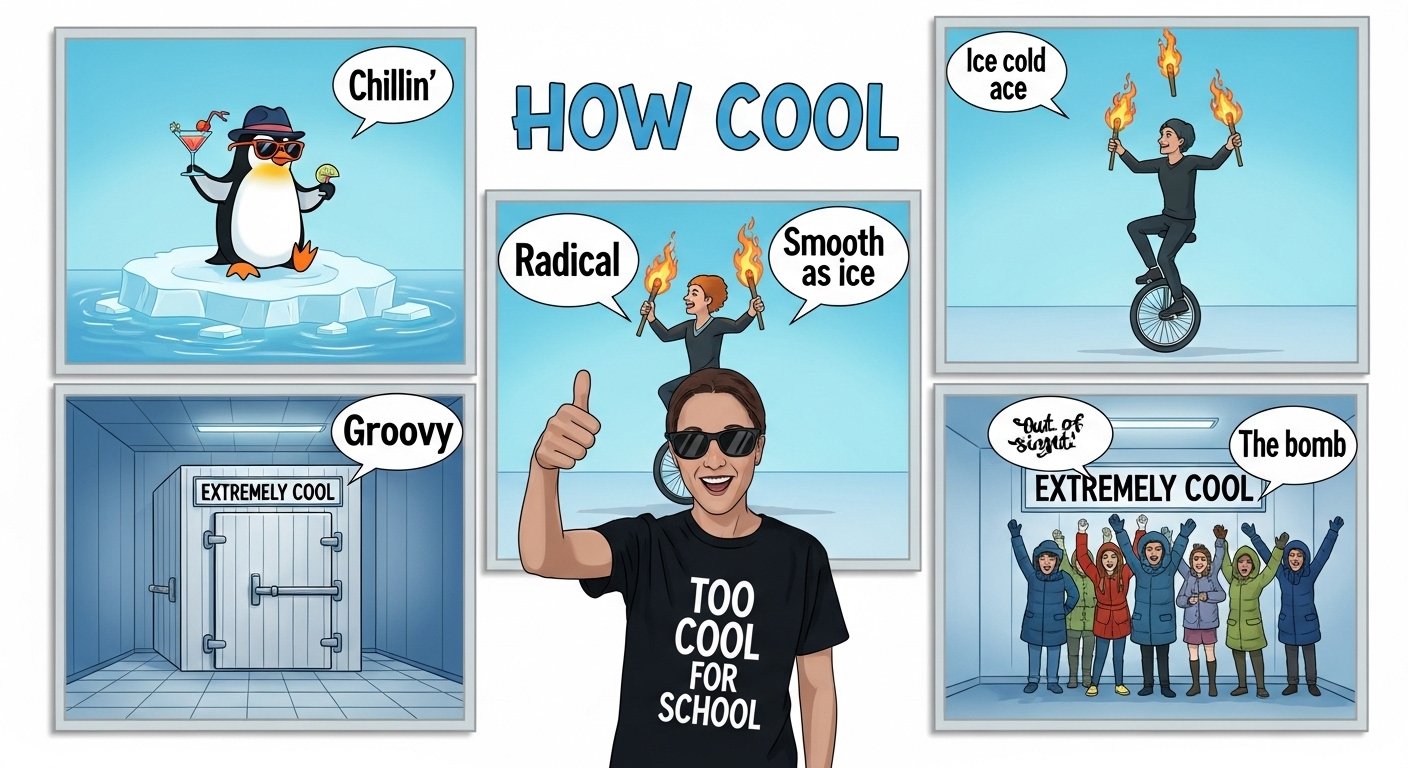
Other Ways to Say How Cool.The phrase “how cool” is commonly used to express excitement, approval, or admiration. While it’s perfect for casual conversation, repeating it can sound monotonous. Using alternatives allows you to convey the same enthusiasm in different tones, whether in casual chats, social media, emails, or professional discussions.
- What Does “How Cool” Mean?
- When to Use “How Cool”
- Spoken English
- Social Media
- Emails / Messages
- Professional Meetings
- Academic Writing
- Is “How Cool” Polite or Professional?
- Pros & Cons of Using “How Cool”
- Quick Alternatives List
- Detailed Alternatives Explained
- Awesome
- Amazing
- Impressive
- Neat
- Remarkable
- Mini Dialogue Examples
- Formal Dialogue
- Informal Dialogue
- Social Media Comment
- Common Mistakes to Avoid
- Cultural & Tone Tips
- Comparison Table
- Frequently Asked Questions
- Is “how cool” formal?
- Can I use it in professional emails?
- What is the most professional alternative?
- What is the friendliest alternative?
- Can beginners use this phrase?
- Is it suitable for social media?
- Conclusion
For example:
Casual: Wow, that’s so cool!
Professional: That’s impressive!
Both express admiration, but the tone differs. Learning alternatives helps you match your language to your audience and situation, making communication more natural and engaging.
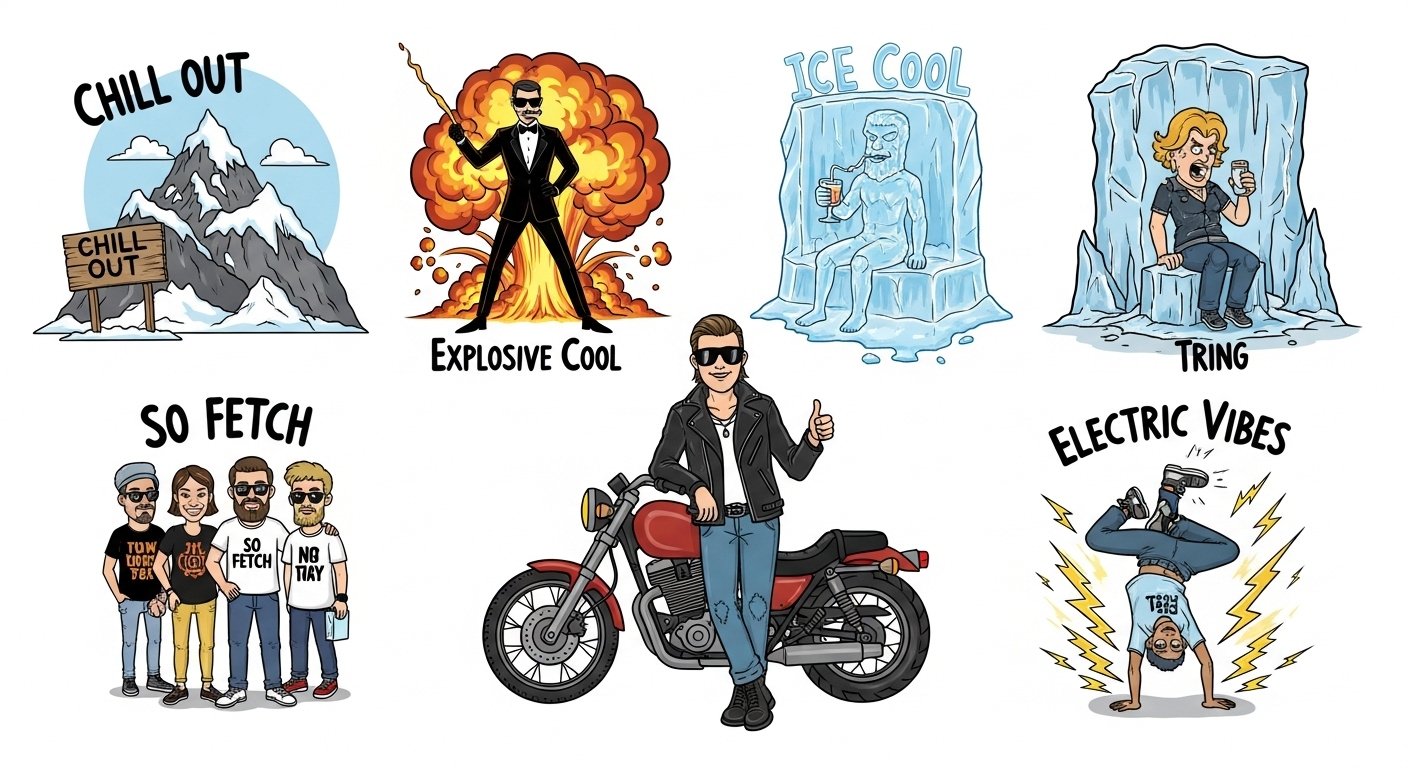
What Does “How Cool” Mean?
Student-Friendly Definition:
It means something is impressive, exciting, admirable, or enjoyable.
Grammar Form:
-
Exclamatory phrase / Idiom
Synonyms / Similar Tone:
-
That’s awesome
-
That’s amazing
-
How awesome
Opposite Tone Expressions:
-
That’s boring
-
That’s dull
-
Not impressive
Example Sentences:
-
How cool is this new app!
-
You made it to the top of the list? That’s awesome!
When to Use “How Cool”
Spoken English
✅ Friends, family, peers, informal situations
Social Media
✅ Perfect for posts, comments, reactions
Emails / Messages
⚠ Use friendly or professional alternatives in work emails
Professional Meetings
⚠ Use only subtle, polite equivalents like impressive
Academic Writing
❌ Not suitable; use formal alternatives like remarkable
Is “How Cool” Polite or Professional?
Polite: Yes
Professional: Low to Medium
Formal: No
Informal: Yes
Tone: Friendly, enthusiastic, casual
Etiquette Tip:
-
Ideal for informal chats, social media, and friendly emails
-
Use more formal alternatives in workplace presentations or emails
Pros & Cons of Using “How Cool”
✔ Pros:
-
Expresses excitement clearly
-
Very relatable and friendly
-
Quick and easy to say
-
Works in casual and social contexts
✘ Cons:
-
Too casual for formal settings
-
Overuse can sound repetitive
-
Not suitable for serious or professional discussions
Quick Alternatives List
👉 Awesome
👉 Amazing
👉 Fantastic
👉 Incredible
👉 Impressive
👉 Neat
👉 Great
👉 Outstanding
👉 Brilliant
👉 Fabulous
👉 Wonderful
👉 Extraordinary
👉 Marvelous
👉 Remarkable
👉 Sweet
👉 Epic
👉 Terrific
👉 Astonishing
👉 Excellent
👉 Super
Detailed Alternatives Explained
Awesome
Meaning: Extremely impressive or excellent
Explanation: Casual, widely understood
Grammar Note: Adjective
Example Sentence: That concert was awesome!
Best Use: Casual conversations, social media
Worst Use: Formal emails (too informal)
Tone: Friendly / Casual
Level: Beginner
Similarity Score: 10/10
Replaceability Tip: Most versatile casual alternative.
Amazing
Meaning: Causing great surprise or admiration
Explanation: Polite, positive, friendly
Grammar Note: Adjective
Example Sentence: Your artwork is amazing!
Best Use: Casual, semi-formal settings
Worst Use: Very formal reports
Tone: Friendly / Polite
Level: Beginner
Similarity Score: 9/10
Replaceability Tip: Use for genuine admiration in almost any context.
Impressive
Meaning: Evoking admiration, often for skill or achievement
Explanation: Slightly formal, professional
Grammar Note: Adjective
Example Sentence: Your presentation was really impressive.
Best Use: Workplace, emails, semi-formal chats
Worst Use: Informal teen slang
Tone: Neutral / Professional
Level: Intermediate
Similarity Score: 8/10
Replaceability Tip: Perfect professional alternative to “how cool.”
Neat
Meaning: Pleasing, simple, or clever
Explanation: Informal, friendly
Grammar Note: Adjective
Example Sentence: That’s a neat trick you showed me!
Best Use: Friends, casual conversations
Worst Use: Formal reports
Tone: Friendly / Casual
Level: Beginner
Similarity Score: 7/10
Replaceability Tip: Use for something simple but impressive.
Remarkable
Meaning: Worthy of attention, very special
Explanation: Polite and professional
Grammar Note: Adjective
Example Sentence: That’s a remarkable achievement.
Best Use: Formal writing, professional praise
Worst Use: Very casual text chats
Tone: Formal / Professional
Level: Intermediate
Similarity Score: 8/10
Replaceability Tip: Use in business or academic contexts.
Mini Dialogue Examples
Formal Dialogue
Colleague: We completed the project ahead of schedule.
You: That’s impressive! Excellent work!
Informal Dialogue
Friend: I got tickets to the concert!
You: How cool! That’s awesome!
Social Media Comment
Post: Check out my new painting!
Comment: Wow, amazing! Really cool!
Common Mistakes to Avoid
-
Using “how cool” in formal emails or reports
-
Overusing casual alternatives in serious discussions
-
Confusing tone between casual and professional contexts
-
Using slang unfamiliar to your audience
Cultural & Tone Tips
-
US English: “How cool” is common among all ages in informal contexts
-
UK English: Similar usage, sometimes “neat” or “brilliant” is preferred
-
Professional Setting: “Impressive” or “remarkable” works better
-
Social Media / Texting: Casual phrases like awesome or amazing are ideal
Comparison Table
| Phrase | Tone | Best Context | Professional Level | Example |
|---|---|---|---|---|
| How cool | Friendly | Casual chats | Low | How cool is this new phone? |
| Awesome | Friendly / Casual | Social media, friends | Low | That movie was awesome! |
| Impressive | Neutral / Professional | Workplace, emails | Medium | Your report is impressive. |
| Remarkable | Formal / Polite | Professional, academic | High | That’s a remarkable achievement. |
| Neat | Casual / Friendly | Friends, everyday chats | Low | That’s a neat idea! |
Frequently Asked Questions
Is “how cool” formal?
No, it’s casual and friendly.
Can I use it in professional emails?
Not usually; use “impressive” or “remarkable” instead.
What is the most professional alternative?
“Impressive” or “remarkable.”
What is the friendliest alternative?
“Awesome,” “amazing,” or “neat.”
Can beginners use this phrase?
Yes, it’s simple and widely understood.
Is it suitable for social media?
Yes, perfect for comments, posts, or reactions.
Conclusion
Using alternatives to how cool allows you to express admiration and excitement in different contexts. Friendly alternatives like awesome or amazing work for casual conversations and social media, while impressive or remarkable suit professional or formal settings. Practicing these alternatives ensures your communication is natural, clear, and audience-appropriate.