


Polite Ways to Say “Go F* Yourself”Sometimes you feel angry. Someone crosses a line. But using harsh language can damage relationships, reputation, and professionalism. That’s why learning polite alternatives to say go f* yourself** is useful.
- What Does “Go F*** Yourself” Mean?
- When to Avoid It
- Quick Polite Alternatives (Firm but Respectful)
- I Don’t Appreciate That
- Please Don’t Speak to Me That Way
- That Was Unnecessary
- That’s Not Acceptable
- Let’s Keep This Respectful
- I Need Some Space
- I Think We Should End This Conversation
- Mini Dialogue Examples
- Mistakes to Avoid
- Cultural & Tone Tips
- FAQs
- Conclusion
Strong emotions do not require strong insults. You can be firm without being disrespectful. In fact, calm words often sound more powerful than shouting.
For example:
Aggressive: “Go f** yourself.”*
Professional: “I don’t appreciate that comment.”
Both show boundaries. But one keeps your dignity.
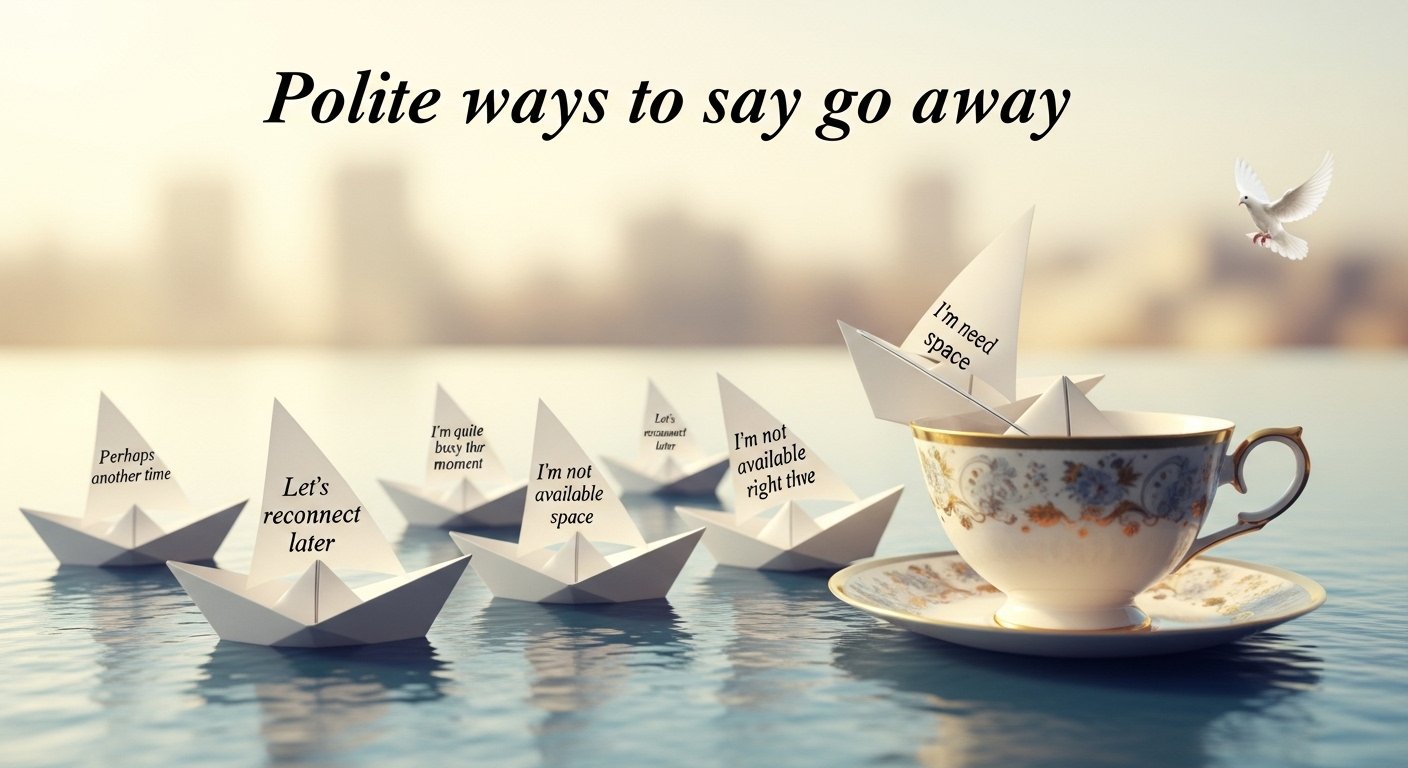
What Does “Go F*** Yourself” Mean?
It is a very offensive phrase used to show extreme anger, rejection, or disrespect.
Grammar form:
Imperative command
Tone:
Very aggressive, insulting
It is never appropriate in business, academic, or formal settings.
When to Avoid It
-
Workplace
-
Emails
-
Professional meetings
-
Public conversations
-
With clients or seniors
It can harm your image and relationships.
Quick Polite Alternatives (Firm but Respectful)
👉 I don’t appreciate that
👉 Please don’t speak to me that way
👉 That was unnecessary
👉 Let’s keep this respectful
👉 I disagree
👉 That’s not acceptable
👉 I won’t tolerate that
👉 Please stop
👉 That crossed a line
👉 Let’s move on
👉 I’m not comfortable with that
👉 That’s inappropriate
👉 Please be professional
👉 I think we should end this conversation
👉 I need some space
👉 Let’s agree to disagree
👉 That’s not okay
👉 I’d prefer if you didn’t
👉 I’m stepping away from this
👉 That comment wasn’t helpful
Polite Alternatives Explained
I Don’t Appreciate That
Meaning:
You are expressing disapproval calmly.
Tone:
Firm but controlled.
Best Use:
Workplace or adult conversations.
Example:
I don’t appreciate that remark.
Please Don’t Speak to Me That Way
Meaning:
You are setting a boundary.
Tone:
Polite but strong.
Best Use:
Professional or personal conflicts.
Example:
Please don’t speak to me that way.
That Was Unnecessary
Meaning:
The comment or action was not needed.
Tone:
Mild but firm.
Best Use:
When someone is being rude.
Example:
That comment was unnecessary.
That’s Not Acceptable
Meaning:
You are rejecting behavior clearly.
Tone:
Professional and serious.
Best Use:
Workplace issues.
Example:
That behavior is not acceptable.
Let’s Keep This Respectful
Meaning:
You are asking for calm communication.
Tone:
Neutral and professional.
Best Use:
Meetings or arguments.
Example:
Let’s keep this respectful.
I Need Some Space
Meaning:
You are stepping back instead of fighting.
Tone:
Calm and mature.
Best Use:
Emotional situations.
Example:
I need some space right now.
I Think We Should End This Conversation
Meaning:
You are closing the discussion.
Tone:
Professional and firm.
Best Use:
Escalating conflicts.
Example:
I think we should end this conversation here.
Mini Dialogue Examples
Professional:
Person A: That was your fault.
Person B: I don’t appreciate that comment.
Informal:
Friend: Why are you like this?
You: That was unnecessary.
Email Style:
I believe that remark was inappropriate. Let’s keep future discussions professional.
Mistakes to Avoid
-
Using sarcasm instead of clarity
-
Raising your voice
-
Being passive-aggressive
-
Responding emotionally in emails
-
Escalating instead of setting boundaries
Cultural & Tone Tips
In the US and UK, direct insults are viewed very negatively in professional environments. Calm boundary-setting language is seen as mature and emotionally intelligent.
FAQs
Is it ever okay to say go f* yourself?**
It is considered highly offensive and damaging in most situations.
What is the most professional alternative?
“That’s not acceptable” or “Let’s keep this professional.”
How do I respond without escalating?
Use calm boundary phrases like “I don’t appreciate that.”
Can I be firm without being rude?
Yes. Clear, calm language is often stronger than insults.
What should beginners use?
“I disagree” or “Please don’t speak to me that way.”
Conclusion
Strong emotions don’t require strong insults. Replacing aggressive language with polite boundary-setting phrases protects your relationships and your reputation. By using calm, respectful alternatives, you maintain control and confidence. In both personal and professional settings, mature communication always wins.