

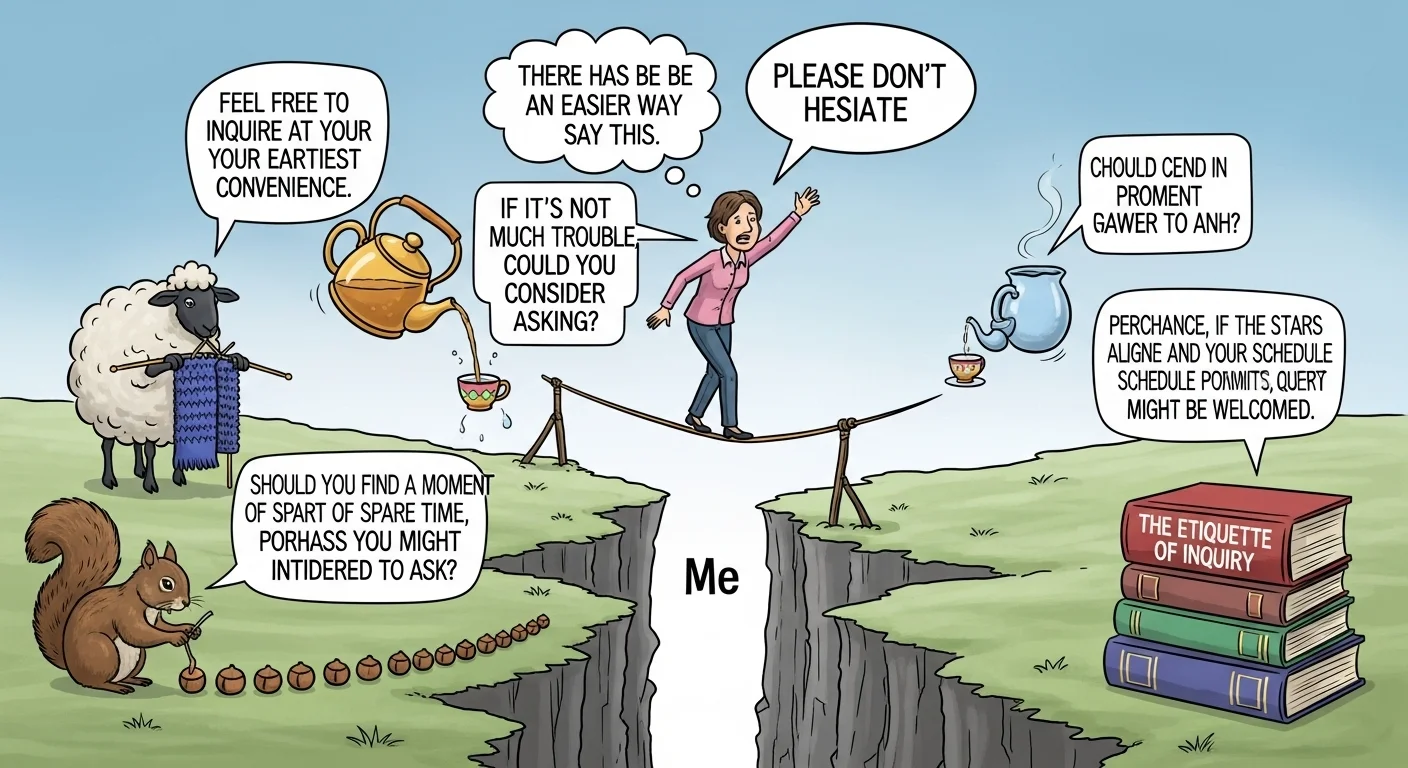
Other Ways to Say “Please Don’t Hesitate”.The phrase “Please don’t hesitate” is commonly used in professional emails to encourage someone to ask questions, request clarification, or reach out for help. While it sounds polite, using the same phrase repeatedly can feel repetitive or overly formal.
- Why Use Alternatives for “Please Don’t Hesitate”?
- Professional Alternatives (Formal Emails)
- Friendly & Casual Alternatives
- Polite & Warm Alternatives
- Stronger & More Confident Alternatives
- How to Use These Alternatives Effectively
- Common Mistakes to Avoid
- Example Usage
- Conclusion
- Frequently Asked Questions
Using alternatives makes your communication more natural, warm, and professional — depending on the context.
Here are 314+ ways to say “Please Don’t Hesitate” in emails and workplace communication.
Why Use Alternatives for “Please Don’t Hesitate”?
Relying only on one phrase can make emails sound robotic. Alternatives:
👉 Improve professionalism
👉 Make your tone more friendly or warm
👉 Fit different situations (formal vs casual)
👉 Encourage clearer communication
👉 Help build better client relationships
Choosing the right variation depends on your audience — client, colleague, manager, or friend.
Professional Alternatives (Formal Emails)
Perfect for client emails, official communication, or corporate settings.
👉 Please feel free to reach out
👉 Do not hesitate to contact me
👉 Kindly feel free to get in touch
👉 Please feel welcome to ask
👉 You are welcome to contact me anytime
👉 Please feel free to connect
👉 I encourage you to reach out
👉 Should you require anything further, please let me know
👉 If you need any clarification, please let me know
👉 Please feel free to contact me for further assistance
👉 Do not hesitate to reach out for additional information
👉 Should you have any questions, please contact me
Friendly & Casual Alternatives
Use these in team chats or relaxed workplace conversations.
👉 Feel free to message me
👉 Just let me know if you need anything
👉 Reach out anytime
👉 Happy to help if needed
👉 Let me know if anything comes up
👉 Drop me a message if needed
👉 Always here if you need support
👉 Give me a shout if you need anything
👉 Let me know if I can help
👉 I’m here if you need me
Polite & Warm Alternatives
These add a caring and supportive tone, especially useful for clients or service-based communication.
👉 Please don’t hesitate to get in touch at your convenience
👉 I’m more than happy to assist if needed
👉 Please feel comfortable reaching out
👉 I’d be glad to help if you require anything further
👉 Kindly reach out if you need additional support
👉 I remain available for any further assistance
👉 I’d appreciate the opportunity to help further
👉 Please let me know how I may assist
👉 I am at your disposal for any further queries
👉 Always happy to provide support
Stronger & More Confident Alternatives
If you want to sound proactive and confident:
👉 I’m available to assist whenever needed
👉 I’m ready to help with anything further
👉 I look forward to assisting you
👉 Please reach out without hesitation
👉 I’m here to support you
👉 I’ll be happy to provide further details
👉 Let me know how I can best support you
👉 I’m open to any questions you may have
How to Use These Alternatives Effectively
Instead of simply writing:
“Please don’t hesitate to contact me.”
You can say:
👉 “If you have any questions, feel free to reach out anytime.”
👉 “Should you need further clarification, I’m happy to assist.”
👉 “Let me know if I can support you further.”
👉 “I remain available should you need anything else.”
Adding context makes the sentence more helpful and meaningful.
Common Mistakes to Avoid
👉 Using overly formal language in casual conversations
👉 Writing the same phrase repeatedly in long email threads
👉 Making the sentence too long and complicated
👉 Forgetting to mention what kind of help you’re offering
👉 Sounding passive instead of supportive
Clarity and tone matter more than fancy wording.
Example Usage
Formal Client Email:
“Should you require any additional information, please feel free to reach out.”
Team Email:
“Let me know if anything comes up — happy to help!”
Customer Service Email:
“I remain available for any further assistance you may need.”
Casual Message:
“Just message me if you need anything.”
Conclusion
While “Please don’t hesitate” is polite and widely accepted, using other ways to say ‘Please Don’t Hesitate’ improves your tone, clarity, and professionalism.
Whether you want to sound formal, friendly, warm, or confident, choosing the right alternative strengthens communication and makes your emails more engaging.
Frequently Asked Questions
Is “Please don’t hesitate” too formal?
It can sound slightly formal. Alternatives like “Feel free to reach out” sound more natural in modern emails.
What is a casual alternative?
“Just let me know if you need anything” works perfectly in informal settings.
What is best for client emails?
“Should you require further assistance, please feel free to contact me” sounds professional.
Should I always include this phrase?
Not necessarily. Only include it when offering genuine help or support