
Other Ways to Say “I’m Sorry for Your Loss”.Expressing condolences is an important way to show empathy when someone experiences the loss of a loved one. While “I’m sorry for your loss” is widely used, having alternative expressions can make your sympathy feel more personal, heartfelt, and meaningful.
Here are 310+ ways to say ‘I’m Sorry for Your Loss’ in various contexts—emails, messages, cards, or verbal communication.

Why Using Alternatives Matters
Using the same phrase repeatedly can feel impersonal. Alternatives allow you to:
👉 Show genuine empathy and care
👉 Adapt your message depending on your relationship with the person
👉 Make condolences feel warm and personal
👉 Communicate respect in sensitive situations
Whether in personal messages, professional emails, or cards, the right words matter in comforting someone grieving.
Professional & Formal Alternatives
Ideal for workplace emails, colleagues, or professional situations.
👉 Please accept my condolences
👉 My deepest condolences
👉 My sincere condolences
👉 I offer my heartfelt sympathy
👉 My thoughts are with you during this difficult time
👉 I extend my deepest sympathy
👉 My heartfelt condolences on your loss
👉 I’m thinking of you during this challenging time
👉 I wish you strength and peace
👉 Sending my deepest sympathy
Friendly & Casual Alternatives
Use these for friends, peers, or informal communication.
👉 I’m so sorry to hear about your loss
👉 Thinking of you during this time
👉 Sending you love and support
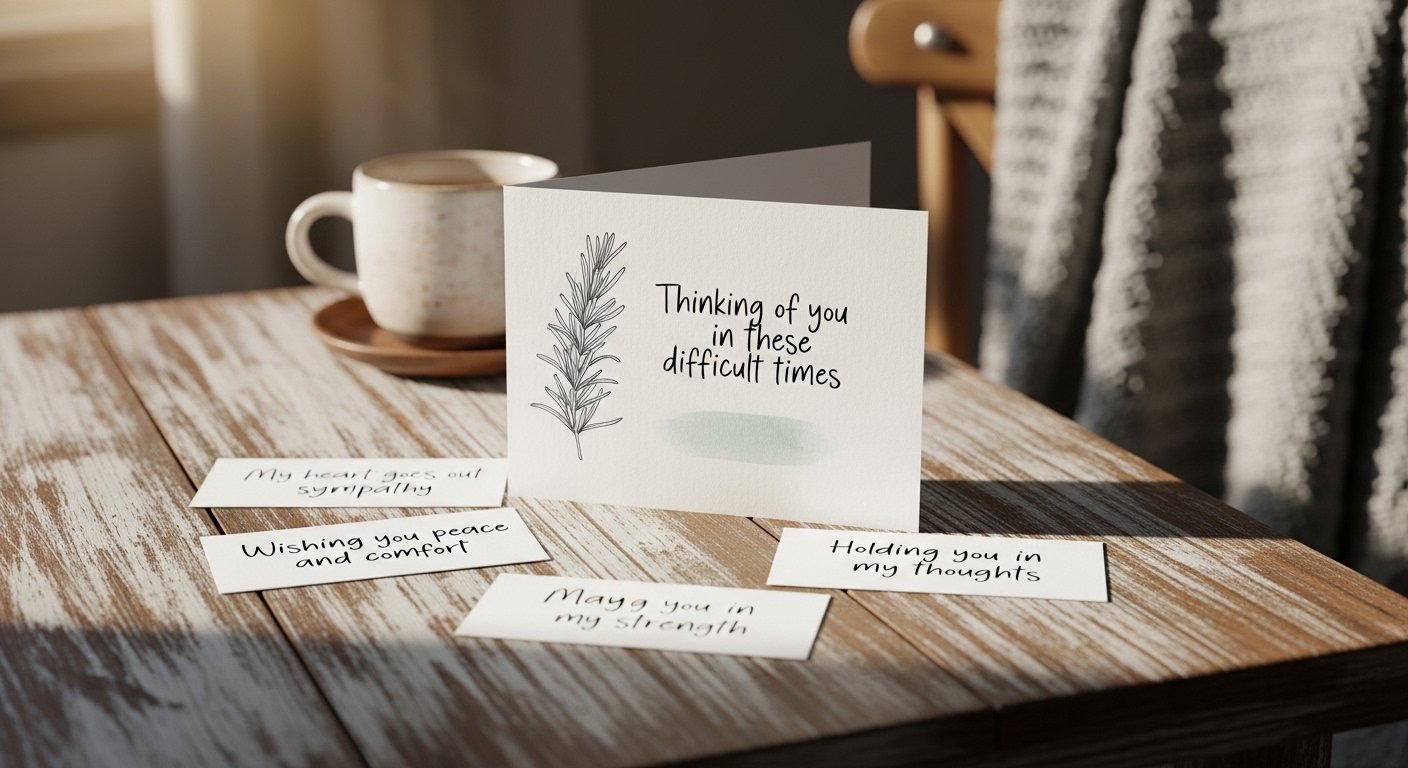
👉 My heart goes out to you
👉 I’m here if you need anything
👉 So sorry you’re going through this
👉 Holding you in my thoughts
👉 Wishing you comfort and peace
👉 I’m keeping you in my prayers
👉 Sorry to hear this sad news
Warm & Heartfelt Alternatives
Use these to add emotional depth and care.
👉 Please know I care and share in your grief
👉 I’m deeply saddened by your loss
👉 My heart aches for you
👉 Wishing you strength and courage during this time
👉 Sharing in your sorrow
👉 My thoughts and prayers are with you and your family
👉 May you find comfort in cherished memories
👉 Holding you close in my thoughts
👉 I’m profoundly sorry for your loss
👉 Sending love and healing your way
How to Make It More Meaningful
Instead of just saying “I’m sorry for your loss,” you can:
👉 Mention the loved one’s name — e.g., “I’m deeply sorry for the loss of your mother, Maria.”
👉 Offer support — e.g., “Please know I’m here if you need anything.”
👉 Share a positive memory — e.g., “I’ll always remember the warmth and kindness of your father.”
👉 Send comfort — e.g., “Wishing you peace and strength during this difficult time.”
Adding personalization makes your condolences sincere and meaningful.
Common Mistakes to Avoid
👉 Using overly casual phrases in professional or sensitive contexts
👉 Ignoring personalization — just saying generic phrases
👉 Offering advice or trying to cheer someone up too soon
👉 Overcomplicating the message with long sentences
👉 Mixing humor or unrelated content in condolence messages
Example Usage
Professional Email:
“Dear Sarah, please accept my deepest condolences on the passing of your father. My thoughts are with you and your family.”
Message to Friend:
“I’m so sorry for your loss. I’m here for you anytime you need to talk.”
Card Message:
“Wishing you comfort and peace during this difficult time. My heart goes out to you.”
Team Email:
“Our thoughts are with you during this time of loss. Please know we are here to support you.”
Conclusion
While “I’m Sorry for Your Loss” is appropriate and widely recognized, using other ways to say ‘I’m Sorry for Your Loss’ can make your message more personal, empathetic, and meaningful.
Choosing words carefully, adding personalization, and offering support ensures your condolences are comforting and genuine. In sensitive moments, thoughtful communication strengthens care and connection.
Frequently Asked Questions
Is “I’m Sorry for Your Loss” appropriate in professional emails?
Yes, but alternatives like “My sincere condolences” or “Please accept my deepest sympathy” sound more formal.
What is a casual alternative for friends?
“I’m so sorry to hear about your loss” or “My heart goes out to you” works well.
Can I make it more personal?
Yes, mention the person’s name, share a memory, or offer support.
Are playful alternatives ever appropriate?
No, condolences should always remain sensitive, respectful, and empathetic.
orper mattis, pulvinar dapibus leo.