

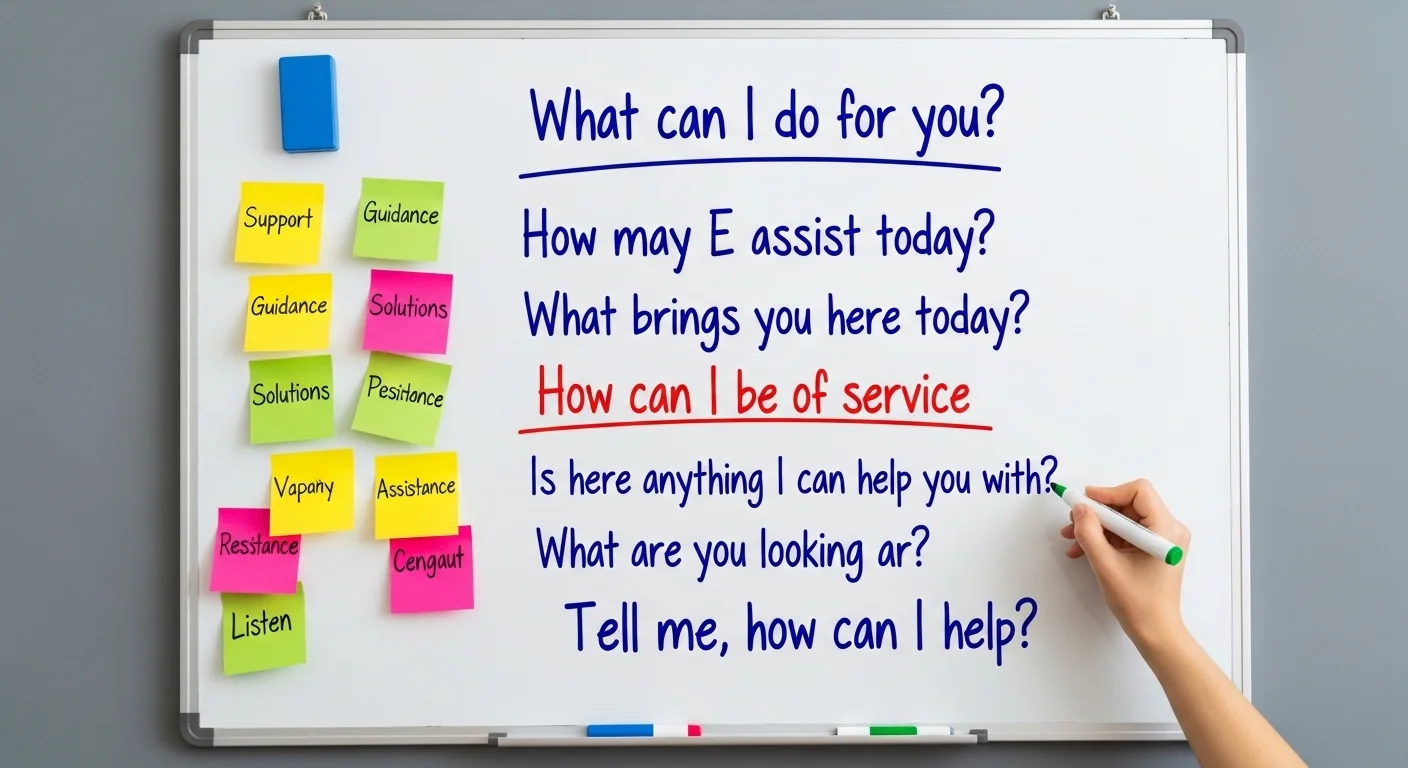
Other Ways to Say “How Can I Help You?.When you want to offer help in English, the phrase “how can I help you?” is one of the most common choices. It is simple, polite, and easy to understand. But using the same phrase again and again can sound repetitive—especially in professional settings like customer service, emails, or business meetings.
- What Does Other Ways to Say How Can I Help You Mean?
- Simple Definition:
- Grammar Type:
- Similar Ideas:
- Opposite Tone:
- Example Sentences:
- When to Use “How Can I Help You?”
- Spoken English
- Business English
- Emails / Messages
- Social Media
- Academic Writing
- Professional Meetings
- Is “How Can I Help You?” Polite or Professional?
- Tone Levels:
- Etiquette Tip:
- Pros & Cons of Using This Phrase
- ✔ Pros:
- ✘ Cons:
- Quick Alternatives List (For Fast Use)
- Top Alternatives Explained
- 1. How May I Assist You?
- 2. What Can I Do for You?
- 3. How May I Be of Help?
- 4. Need Any Help?
- 5. Can I Assist You with Something?
- 6. Let Me Know How I Can Help
- 7. Is There Anything I Can Do for You?
- 8. How Can I Support You?
- 9. Need a Hand?
- 10. I’m Here to Help
- 11. What Do You Need Help With?
- 12. How Can I Be Useful?
- 13. Do You Need Any Assistance?
- 14. What Would You Like Help With?
- 15. Tell Me How I Can Assist
- Mini Dialogue Examples
- Formal Conversation
- Informal Conversation
- Business Email Example
- Mistakes to Avoid
- Cultural & Tone Tips
- Comparison Table
- FAQs
- Is “how can I help you” rude?
- Can I use it in emails?
- What is the most formal alternative?
- What is the most polite option?
- What should beginners use?
- Is “need help?” okay?
- Conclusion
Using different expressions allows you to adjust your tone, formality, and intent. Some alternatives sound warmer, some more professional, and others more casual. Choosing the right one helps you connect better with people and sound more natural.
For example:
Formal: How may I assist you today?
Informal: Need a hand?
Both mean the same thing—but feel very different.
What Does Other Ways to Say How Can I Help You Mean?
This phrase is used to offer assistance or support to someone.
Simple Definition:
It means you are asking someone what they need and showing willingness to help.
Grammar Type:
- Question sentence
- Polite offer expression
Similar Ideas:
- Offering help
- Asking what someone needs
- Showing support
Opposite Tone:
- Ignoring someone
- Refusing to help
Example Sentences:
- Hello! How can I help you?
- I’m here—how can I help you today?
When to Use “How Can I Help You?”
Spoken English
- Shops, offices, daily conversations
- “Hi, how can I help you?”
Business English
- Customer service, meetings
- “How can I assist you with this issue?”
Emails / Messages
- Support emails
- “Please let me know how I can help.”
Social Media
- Replies and comments
- “Happy to help—what do you need?”
Academic Writing
- Rare, but used in guidance tone
Professional Meetings
- Offering support to team members
Is “How Can I Help You?” Polite or Professional?
Yes, it is both polite and professional.
Tone Levels:
- Polite: Default tone
- Neutral: Everyday use
- Formal: Slightly less than “How may I assist you?”
- Friendly: Depends on voice and context
Etiquette Tip:
✔ Great for customer service
✔ Safe in emails
✘ Avoid overusing in very formal documents
Pros & Cons of Using This Phrase
✔ Pros:
- Clear and polite
- Easy for beginners
- Works in most situations
- Friendly tone
✘ Cons:
- Can sound repetitive
- Not very formal
- Lacks personality in some contexts
Quick Alternatives List (For Fast Use)
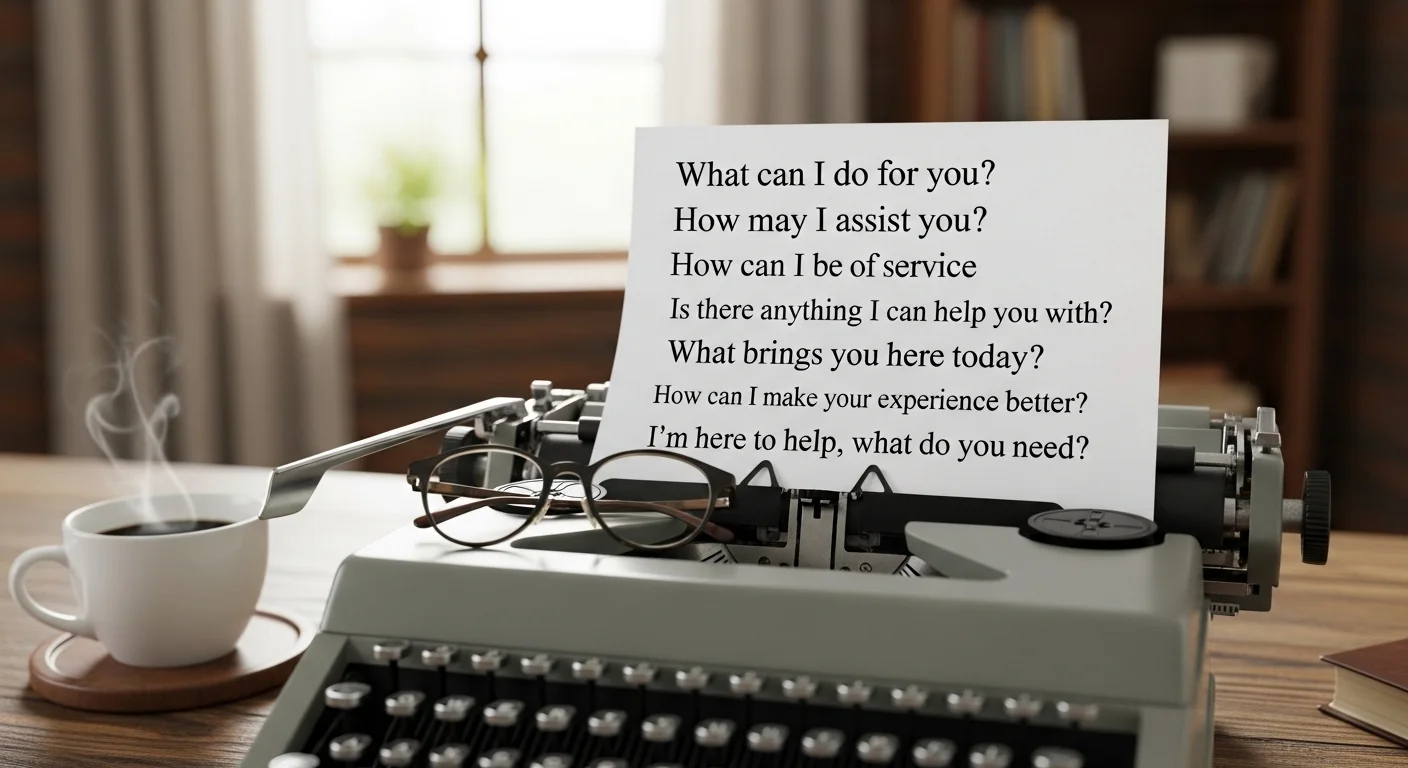
- How may I assist you?
- What can I do for you?
- How may I be of help?
- Need any help?
- Can I assist you with something?
- What do you need help with?
- Let me know how I can help
- Is there anything I can do for you?
- How can I support you?
- Need a hand?
- What can I help you with today?
- I’m here to help
- How may I help you today?
- Tell me how I can assist
- Do you need any assistance?
- How can I be useful?
- What would you like help with?
Top Alternatives Explained
1. How May I Assist You?
Meaning: A more formal way to offer help
Explanation: Common in professional and customer service settings
Grammar Note: Formal question
Example: How may I assist you today?
Best Use: Workplace, emails
Worst Use: Casual chat
Tone: Formal
Level: Beginner
Similarity Score: 10/10
Replaceability Tip: Best formal replacement
2. What Can I Do for You?
Meaning: Asking what action you can take
Explanation: Friendly and slightly casual
Grammar Note: Question
Example: Hi, what can I do for you?
Best Use: Daily conversation
Worst Use: Formal writing
Tone: Friendly
Level: Beginner
Similarity Score: 9/10
3. How May I Be of Help?
Meaning: Offering assistance politely
Explanation: Slightly old-fashioned but very polite
Grammar Note: Formal phrase
Example: How may I be of help today?
Best Use: Formal settings
Worst Use: Casual speech
Tone: Formal
Level: Intermediate
Similarity Score: 9/10
4. Need Any Help?
Meaning: Casual offer
Explanation: Short and informal
Grammar Note: Elliptical question
Example: Need any help with that?
Best Use: Friends, coworkers
Worst Use: Professional emails
Tone: Informal
Level: Beginner
Similarity Score: 8/10
5. Can I Assist You with Something?
Meaning: Offering help politely
Explanation: Balanced tone
Grammar Note: Question
Example: Can I assist you with something?
Best Use: Workplace
Worst Use: Very casual chats
Tone: Neutral
Level: Beginner
Similarity Score: 9/10
6. Let Me Know How I Can Help
Meaning: Offering help indirectly
Explanation: Great for emails
Grammar Note: Statement
Example: Let me know how I can help.
Best Use: Emails
Worst Use: Immediate response situations
Tone: Professional
Level: Beginner
Similarity Score: 8/10
7. Is There Anything I Can Do for You?
Meaning: Offering full support
Explanation: Very polite and complete
Grammar Note: Question
Example: Is there anything I can do for you?
Best Use: Formal and polite contexts
Worst Use: None
Tone: Polite
Level: Beginner
Similarity Score: 9/10
8. How Can I Support You?
Meaning: Emotional or practical help
Explanation: Common in teamwork
Grammar Note: Question
Example: How can I support you on this project?
Best Use: Workplace, teams
Worst Use: Customer service counters
Tone: Professional
Level: Intermediate
Similarity Score: 8/10
9. Need a Hand?
Meaning: Offering help casually
Explanation: Very informal
Grammar Note: Idiomatic phrase
Example: Need a hand with that?
Best Use: Friends
Worst Use: Formal settings
Tone: Friendly
Level: Beginner
Similarity Score: 7/10
10. I’m Here to Help
Meaning: Offering availability
Explanation: Reassuring tone
Grammar Note: Statement
Example: I’m here to help if you need anything.
Best Use: Emails, support
Worst Use: Direct questions
Tone: Friendly
Level: Beginner
Similarity Score: 7/10
11. What Do You Need Help With?
Meaning: Direct question
Explanation: Clear but slightly blunt
Grammar Note: Question
Example: What do you need help with?
Best Use: Casual or direct settings
Worst Use: Sensitive situations
Tone: Neutral
Level: Beginner
Similarity Score: 8/10
12. How Can I Be Useful?
Meaning: Offering value
Explanation: Slightly formal and unique
Grammar Note: Question
Example: How can I be useful here?
Best Use: Workplace
Worst Use: Casual talk
Tone: Professional
Level: Intermediate
Similarity Score: 7/10
13. Do You Need Any Assistance?
Meaning: Formal help offer
Explanation: Common in service roles
Grammar Note: Question
Example: Do you need any assistance?
Best Use: Professional
Worst Use: Friends
Tone: Formal
Level: Beginner
Similarity Score: 9/10
14. What Would You Like Help With?
Meaning: Polite and open-ended
Explanation: Friendly and flexible
Grammar Note: Question
Example: What would you like help with today?
Best Use: Customer service
Worst Use: None
Tone: Friendly
Level: Beginner
Similarity Score: 9/10
15. Tell Me How I Can Assist
Meaning: Inviting instruction
Explanation: Slightly authoritative
Grammar Note: Imperative sentence
Example: Tell me how I can assist.
Best Use: Workplace
Worst Use: Casual talk
Tone: Professional
Level: Intermediate
Similarity Score: 8/10
Mini Dialogue Examples
Formal Conversation
A: Good morning. How may I assist you?
B: I need help with my appointment.
Informal Conversation
A: Need a hand?
B: Yeah, thanks!
Business Email Example
Hello,
Please let me know how I can help with your request.
Best regards,
Mistakes to Avoid
- Using very casual phrases in formal emails
- Sounding too direct (“What do you want?” ❌)
- Overusing the same phrase
- Ignoring tone and situation
- Using slang with clients
- Forgetting politeness words
Cultural & Tone Tips
- In US English, friendly tone is common
- In UK English, slightly more formal tone is preferred
- In casual English, short phrases like “Need help?” are fine
- In professional settings, always stay polite and clear
Comparison Table
| Phrase | Tone | Best Context | Professional Level | Example |
|---|---|---|---|---|
| How may I assist you? | Formal | Workplace | High | Customer service |
| What can I do for you? | Friendly | Daily talk | Medium | Conversation |
| Need a hand? | Informal | Friends | Low | Casual help |
| Let me know how I can help | Professional | High | Work email | |
| Do you need any assistance? | Formal | Service | High | Office |
| How can I support you? | Professional | Teamwork | High | Meetings |
FAQs
Is “how can I help you” rude?
No, it is polite and widely used.
Can I use it in emails?
Yes, it works well in most emails.
What is the most formal alternative?
“How may I assist you?”
What is the most polite option?
“Is there anything I can do for you?”
What should beginners use?
“How can I help you?” or “What can I do for you?”
Is “need help?” okay?
Yes, but only in informal situations.
Conclusion
Learning different ways to say “how can I help you?” improves your communication skills. It helps you sound more natural, polite, and professional in different situations.
The key is choosing the right phrase for the right context. Formal settings need respectful language, while casual situations allow simpler expressions.
Practice these alternatives in real conversations and emails. Over time, you will speak more confidently and clearly.