
Other Ways to Say “Enjoy Your Time Off”.Wishing someone a good break or vacation is common in professional communication. Saying “Enjoy your time off” is polite and friendly, but using it repeatedly can sound generic. Using varied expressions in emails makes your message feel thoughtful, professional, and engaging.
Here are 304+ alternatives to say ‘Enjoy Your Time Off’ naturally and effectively.
Why Using Alternatives Matters
Repeating the same phrase in professional emails can feel unoriginal. By using alternatives:
👉 You make your emails more engaging
👉 Show thoughtfulness toward colleagues or clients
👉 Strengthen workplace relationships
👉 Sound professional while remaining friendly
Whether it’s a short break, vacation, or holiday, having varied ways to wish someone well enhances your communication.
Professional & Corporate Alternatives
These are ideal for formal emails, HR communication, or workplace correspondence.
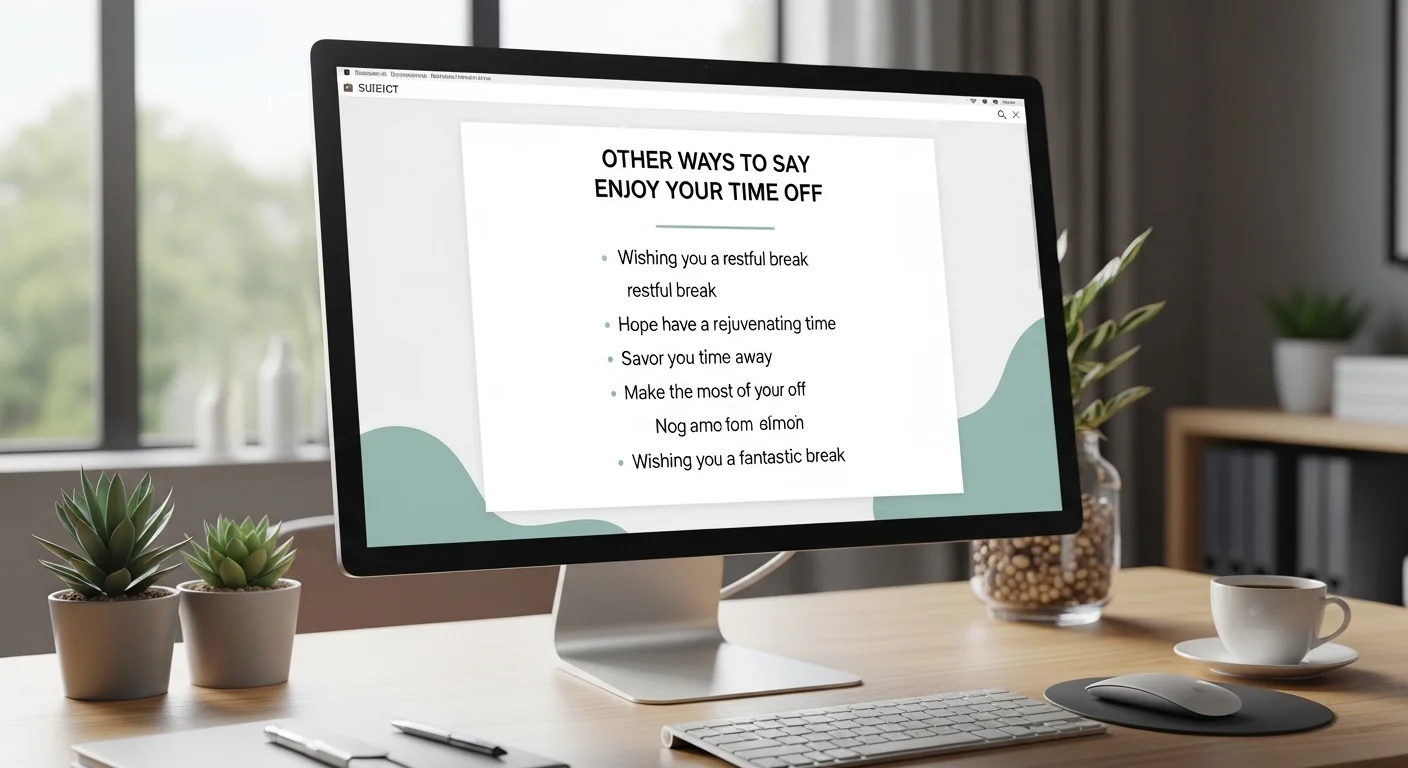
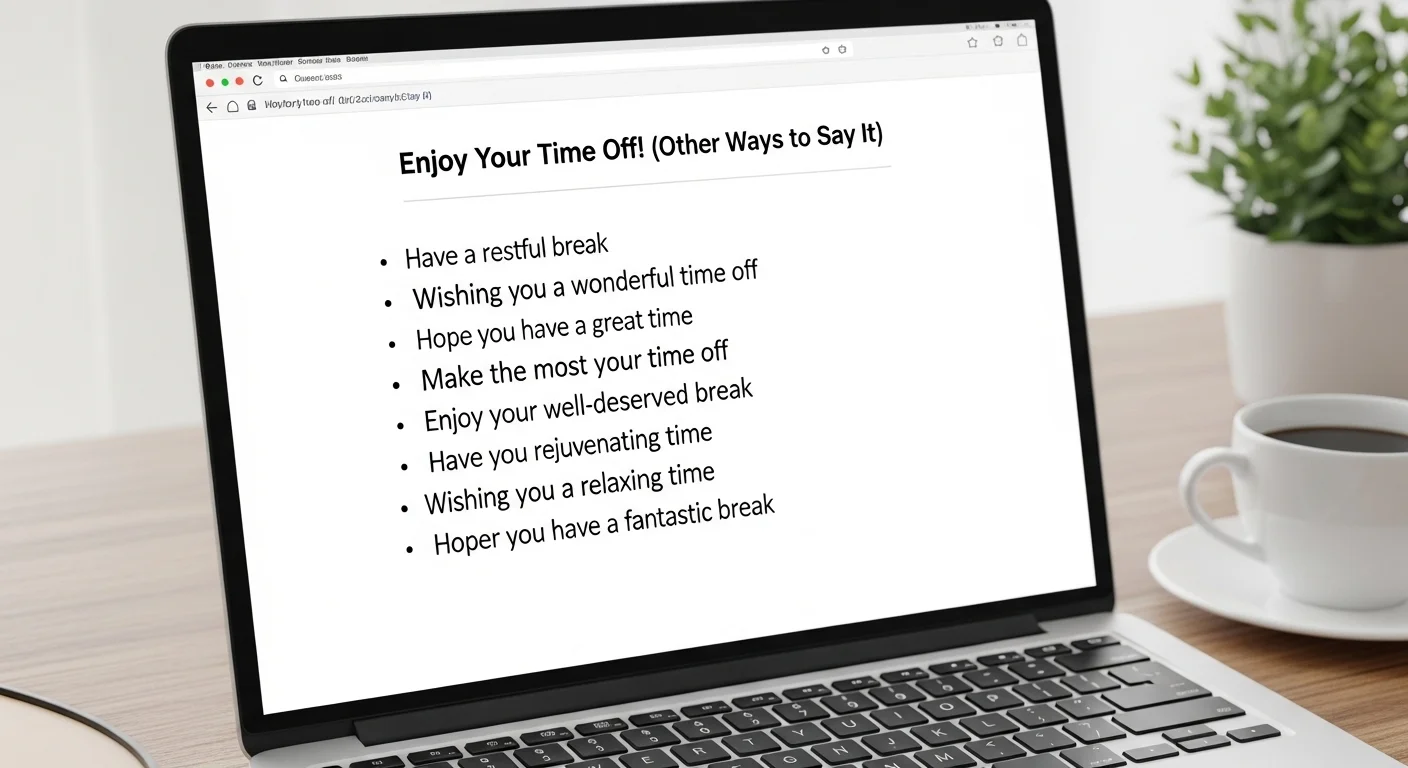
👉 Wishing you a restful break
👉 Enjoy your well-deserved time off
👉 Hope you have a refreshing vacation
👉 Have a relaxing break
👉 Wishing you a rejuvenating time away
👉 Enjoy your leave
👉 Make the most of your time off
👉 Have a pleasant and restful break
👉 Wishing you a productive time off (if work-related projects can continue)
👉 Hope you return recharged and energized
👉 Take care and enjoy your break
Friendly & Casual Alternatives
Perfect for colleagues, team chats, or informal email closings.
👉 Enjoy your break
👉 Have fun during your time off
👉 Hope you enjoy your days off
👉 Make the most of your time away
👉 Relax and enjoy yourself
👉 Wishing you a fun and relaxing time
👉 Take time to recharge
👉 Have a great mini-vacation
👉 Enjoy every moment of your time off
👉 Hope you make the most of your break
Warm & Personal Alternatives
Use these to add care or empathy, especially if someone has worked hard or is leaving for an extended time.
👉 Wishing you a peaceful and enjoyable break
👉 Hope your time off brings you joy and relaxation
👉 Take this time to unwind and enjoy
👉 Enjoy your much-deserved rest
👉 Hope your break is both refreshing and fun
👉 Wishing you happy moments during your time off
👉 Take care and enjoy your well-earned break
👉 Make your time off memorable
👉 Hope this break leaves you energized and happy
👉 Enjoy every second of your time away
How to Make It More Meaningful
Instead of just saying “Enjoy your time off,” you can personalize your email with context or a specific wish:
👉 Enjoy your time off — you’ve worked so hard this quarter!
👉 Hope you have a relaxing week ahead and come back refreshed
👉 Wishing you a wonderful vacation — looking forward to catching up when you return
👉 Take care and enjoy your well-deserved break with family
👉 Have fun and recharge — we’ll handle things while you’re away
Adding context makes your message thoughtful and genuine, which strengthens professional rapport.
Common Mistakes to Avoid
👉 Using the same phrase repeatedly in workplace emails
👉 Being too casual in formal emails
👉 Forgetting to personalize or add context
👉 Sending overly long or generic messages
👉 Ignoring tone — make sure it matches your audience
Example Usage in Email
Professional Email:
“Hi Sarah, I hope you enjoy your well-deserved time off. Wishing you a restful and productive break!”
Team Chat Message:
“John, enjoy your break! Take care and recharge before coming back.”
HR or Manager Email:
“Wishing you a refreshing vacation. Please take this time to relax and come back energized.”
Friendly Colleague Email:
“Have fun during your time off! Hope you make the most of every moment.”
Conclusion
Saying “Enjoy your time off” is polite, but using other ways to say ‘Enjoy Your Time Off’ in an email makes your communication more personal, professional, and engaging.
Adding context, warmth, or personalization strengthens workplace relationships and leaves a positive impression. Variety in communication helps your emails feel thoughtful and genuine, whether for colleagues, clients, or employees.
Frequently Asked Questions
Is “Enjoy your time off” appropriate for professional emails?
Yes, but alternatives like “Wishing you a restful break” or “Enjoy your well-deserved time off” can sound more thoughtful.
What is a casual alternative for colleagues?
“Enjoy your break” or “Have fun during your time off” works well.
Can I personalize the phrase?
Yes, by mentioning the effort, upcoming tasks, or adding context about family or activities.
Are playful alternatives appropriate?
Only in informal communications with friendly colleagues; otherwise, stick to professional expressions.