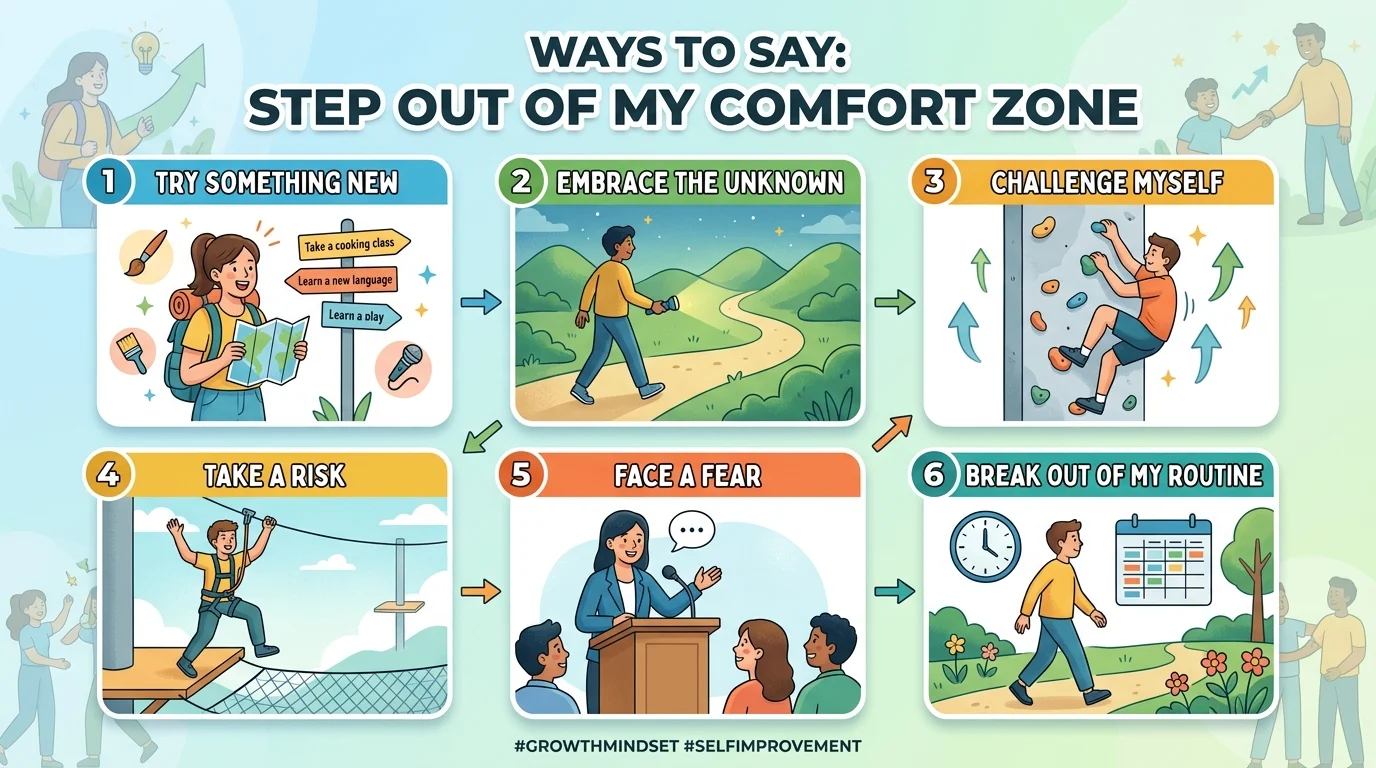


Other Ways to Say Does That Work for You.The phrase “does that work for you” is often used in professional emails, meetings, and casual conversations to check if a suggestion, time, or idea is suitable for someone. While clear and polite, overusing it can make your communication repetitive.
- What Does “Does That Work for You” Mean?
- When to Use “Does That Work for You”
- Business Emails
- Workplace Conversations
- Client Communication
- Casual Conversation
- Social Media / Chat
- Is “Does That Work for You” Professional?
- Pros & Cons of Using “Does That Work for You”
- Quick Alternatives List
- Detailed Alternatives Explained
- Will That Be Convenient?
- Does That Suit You?
- Is That Okay With You?
- Would That Be Alright?
- Does That Fit Your Schedule?
- Mini Dialogue Examples
- Professional Email
- Workplace Chat
- Casual Message
- Common Mistakes to Avoid
- Cultural & Tone Tips
- Comparison Table
- Frequently Asked Questions
- Conclusion
Using alternatives helps you sound more professional, friendly, and confident. Some options are perfect for business emails, while others work in casual conversations or scheduling discussions.
For example:
Standard: Does that work for you?
Professional: Would that time be convenient for you?
Both communicate the same idea, but the tone differs. Choosing the right phrase improves clarity, politeness, and engagement.

What Does “Does That Work for You” Mean?
Student-Friendly Definition:
It asks if a plan, time, or suggestion is acceptable to the other person.
Grammar Form:
-
Interrogative phrase / Polite inquiry
Purpose:
-
Confirm agreement
-
Ensure convenience
-
Invite feedback
Example Sentences:
-
I’ve scheduled the meeting for 3 PM. Does that work for you?
-
We can discuss this on Friday. Does that work for you?
When to Use “Does That Work for You”
Business Emails
✅ Scheduling meetings or deadlines
Workplace Conversations
✅ Coordinating tasks with colleagues
Client Communication
✅ Checking if proposed solutions are acceptable
Casual Conversation
✅ Friends, informal planning
Social Media / Chat
⚠ Rarely; use simpler alternatives like “Does that suit you?”
Is “Does That Work for You” Professional?
Polite: Yes
Professional: Yes
Formal: Medium
Informal: Yes
Tone: Neutral, cooperative
Etiquette Tip:
-
Works well in both professional and casual contexts
-
For formal emails, consider Would that be convenient for you?
Pros & Cons of Using “Does That Work for You”
✔ Pros:
-
Polite and easy to understand
-
Suitable for professional and casual use
-
Encourages cooperation
✘ Cons:
-
Slightly informal for highly formal emails
-
Repetition may sound generic
-
Tone may be too neutral in some contexts
Quick Alternatives List
👉 Will that be convenient?
👉 Does that suit you?
👉 Is that okay with you?
👉 Would that be alright?
👉 Is that suitable for you?
👉 Would that work for you?
👉 Does this time work for you?
👉 Would that be acceptable?
👉 Will that work on your end?
👉 Is this okay with you?
👉 Are you comfortable with that?
👉 Will that timing work?
👉 Is that fine with you?
👉 Does that fit your schedule?
👉 Can we proceed with that?
👉 Are you okay with that?
👉 Would that arrangement be okay?
👉 Will this plan work?
👉 Does that match your availability?
👉 Is this convenient for you?
Detailed Alternatives Explained
Will That Be Convenient?
Meaning: Asks if the suggestion is suitable
Tone: Professional / Polite
Example: I’ve scheduled the call at 2 PM. Will that be convenient?
Best Use: Emails, formal chats
Similarity Score: 9/10
Does That Suit You?
Meaning: Checks if the plan fits the other person
Tone: Polite / Friendly
Example: I can meet tomorrow. Does that suit you?
Best Use: Workplace, casual planning
Similarity Score: 8/10
Is That Okay With You?
Meaning: Simple, polite inquiry
Tone: Friendly / Neutral
Example: I’ll send the report by Friday. Is that okay with you?
Best Use: Emails, chat, informal discussions
Similarity Score: 9/10
Would That Be Alright?
Meaning: Formal and polite way to confirm
Tone: Professional / Polite
Example: We can adjust the schedule to Monday. Would that be alright?
Best Use: Professional emails, client communication
Similarity Score: 9/10
Does That Fit Your Schedule?
Meaning: Checks availability or timing
Tone: Professional / Practical
Example: I’ve set the meeting at 10 AM. Does that fit your schedule?
Best Use: Workplace coordination
Similarity Score: 8/10
Mini Dialogue Examples
Professional Email
I’ve scheduled the training for 3 PM tomorrow. Will that be convenient for you?
Workplace Chat
We can review the report on Friday. Does that suit you?
Casual Message
Movie night at 7 PM, does that work for you?
Common Mistakes to Avoid
-
Using it repeatedly without variation
-
Mixing overly casual alternatives in formal emails
-
Forgetting to provide options if it doesn’t work for them
-
Overcomplicating the question
Cultural & Tone Tips
-
In US English, “Does that work for you?” is widely used and neutral
-
In UK English, “Does that suit you?” sounds slightly more formal
-
For client emails, Would that be convenient for you? is ideal
-
In casual chats, Is that okay with you? or Are you okay with that? works best
Comparison Table
| Phrase | Tone | Best Context | Formal Level |
|---|---|---|---|
| Does that work for you | Neutral | Emails, chat | Medium |
| Will that be convenient? | Professional | Formal emails | High |
| Does that suit you? | Friendly / Polite | Workplace, chat | Medium |
| Would that be alright? | Formal | Clients, professional | High |
| Is that okay with you? | Friendly / Casual | Chat, email | Low-Medium |
Frequently Asked Questions
Is “does that work for you” professional?
Yes, it is suitable for workplace and email communication.
What is a more formal alternative?
Would that be convenient for you?
Can I use it in casual chat?
Yes, phrases like Is that okay with you? or Does that suit you? work well.
What is the simplest alternative?
Is that okay?
Can beginners use this phrase?
Yes, it’s clear, polite, and widely understood.
Is it suitable for client emails?
Yes, especially with a polite tone or alternative like Would that be convenient?
Conclusion
“Does that work for you?” is a polite and practical way to confirm plans, times, or suggestions. Using alternatives like Will that be convenient?, Does that suit you?, or Would that be alright? adds variety, professionalism, and clarity. Choosing the right phrase depends on context, audience, and formality.