
Other Ways to Say “If Time Permits”.The phrase “If time permits” is commonly used in emails, meetings, and professional conversations when suggesting something that can be done if there is enough time available. While it sounds polite and professional, using the same expression repeatedly can feel repetitive or slightly outdated.
- Why Use Alternatives?
- Professional & Formal Alternatives
- Polite & Respectful Alternatives
- Direct & Confident Alternatives
- Casual & Workplace Alternatives
- How to Use These Alternatives Properly
- When to Choose Formal vs Casual
- Common Mistakes to Avoid
- Example Sentences
- Conclusion
- Frequently Asked Questions
Exploring alternatives allows you to sound more natural, modern, confident, or conversational — depending on your tone and audience.
Below are 319+ alternatives to say “If Time Permits” effectively in emails and workplace communication.
Why Use Alternatives?
Using varied expressions:
👉 Makes your writing sound more natural
👉 Improves professionalism
👉 Avoids repetitive phrasing
👉 Helps match tone with formal or casual communication
👉 Adds clarity to your message
Choosing the right phrase depends on the situation — client email, team meeting, or casual conversation.
Professional & Formal Alternatives
Ideal for business emails, official communication, or client correspondence.
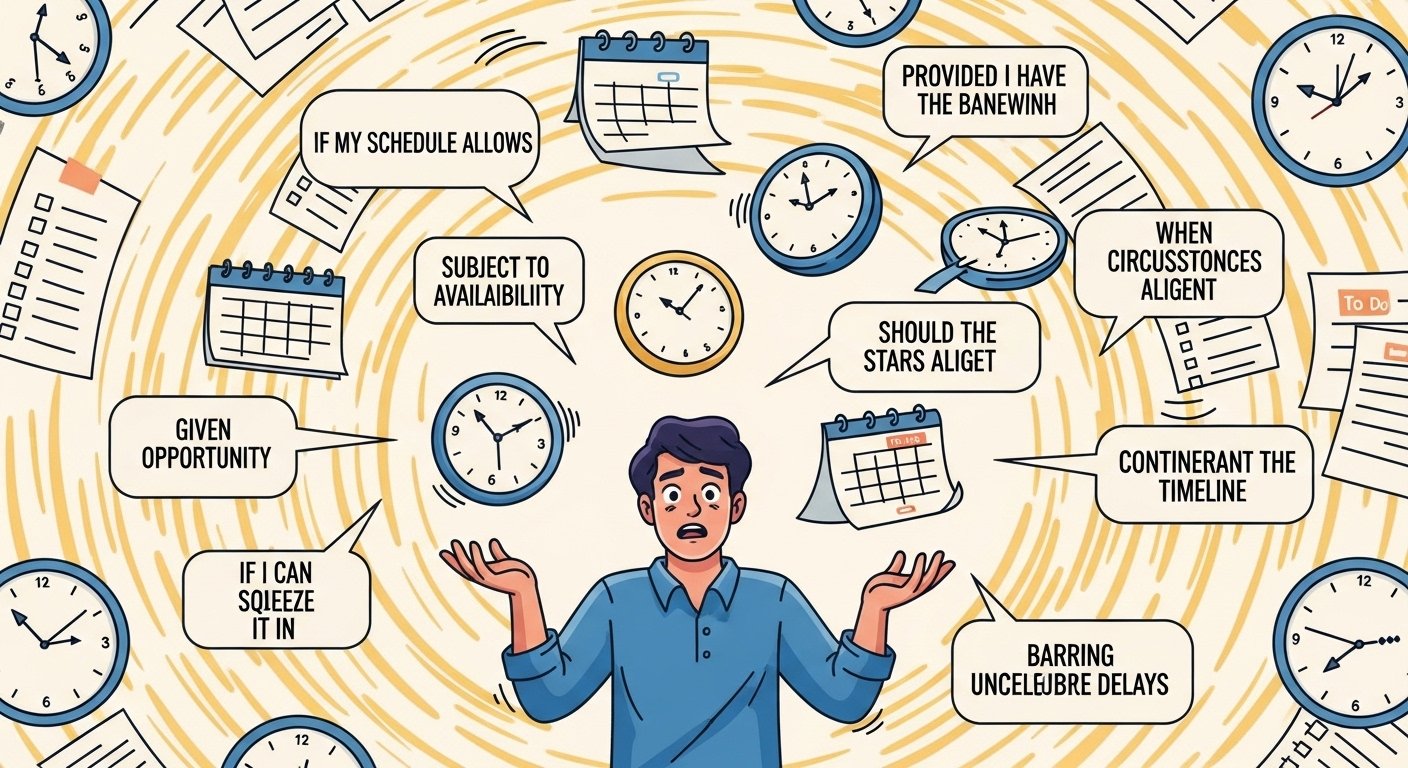
👉 If your schedule allows
👉 If your time allows
👉 Should time allow
👉 If convenient
👉 At your convenience
👉 If possible
👉 When convenient
👉 If circumstances permit
👉 Should you have the time
👉 If it fits your schedule
👉 If availability permits
👉 As time allows
👉 If feasible
👉 If manageable
👉 Provided time allows
Polite & Respectful Alternatives
These add warmth and courtesy, especially when addressing seniors or clients.
👉 If you are available
👉 When you have the opportunity
👉 Whenever you have time
👉 If it works for you
👉 If you get a chance
👉 When you find time
👉 If you’re able to
👉 When it suits you
👉 If it’s convenient for you
👉 When you are free
Direct & Confident Alternatives
Use these when you want to sound more assertive or clear.
👉 If you can
👉 If you’re able
👉 If it works
👉 When you can
👉 If feasible
👉 If practical
👉 If appropriate
👉 If workable
👉 As your schedule allows
👉 When possible
Casual & Workplace Alternatives
Best for internal communication or relaxed conversations.
👉 If you get time
👉 If you have a moment
👉 When you get a chance
👉 Whenever you’re free
👉 If you’re not too busy
👉 When you’re available
👉 If you find time
👉 When you have a spare moment
👉 If you can squeeze it in
👉 If you’re around
How to Use These Alternatives Properly
Instead of writing:
“We can discuss this further if time permits.”
You can say:
👉 “We can discuss this further if your schedule allows.”
👉 “We can review this when convenient.”
👉 “Let’s connect whenever you have time.”
👉 “We can go over this if possible.”
Clear wording improves readability and tone.
When to Choose Formal vs Casual
👉 Use formal wording for clients and senior professionals
👉 Use direct phrases when clarity is important
👉 Use casual phrasing for team chats
👉 Use polite wording for sensitive communication
Tone matching strengthens communication effectiveness.
Common Mistakes to Avoid
👉 Overusing the phrase in multiple emails
👉 Being too vague about timing
👉 Sounding uncertain when you need commitment
👉 Using casual tone in formal emails
👉 Not suggesting a deadline when necessary
If timing is important, be specific instead of leaving it open-ended.
Example Sentences
Formal Email:
“We can review the proposal further if your schedule allows.”
Client Communication:
“Should time allow, we would be happy to discuss additional features.”
Team Chat:
“Let’s go over this when you get a chance.”
Manager Update:
“We can revisit this topic when convenient.”
Conclusion
While “If Time Permits” is professional and polite, using other ways to say ‘If Time Permits’ makes your communication more modern, flexible, and context-appropriate.
Selecting the right alternative — formal, polite, direct, or casual — helps you communicate respectfully while maintaining clarity.
Frequently Asked Questions
Is “If time permits” too formal?
It can sound slightly formal or traditional. Alternatives like “If your schedule allows” feel more modern.
What is the most professional alternative?
“Should time allow” or “If convenient” works well in formal emails.
What is a casual alternative?
“When you get a chance” sounds natural and friendly.
Should I always use this phrase?
Only when something is optional. If it’s important, set a clear time instead.